Camilla Løw
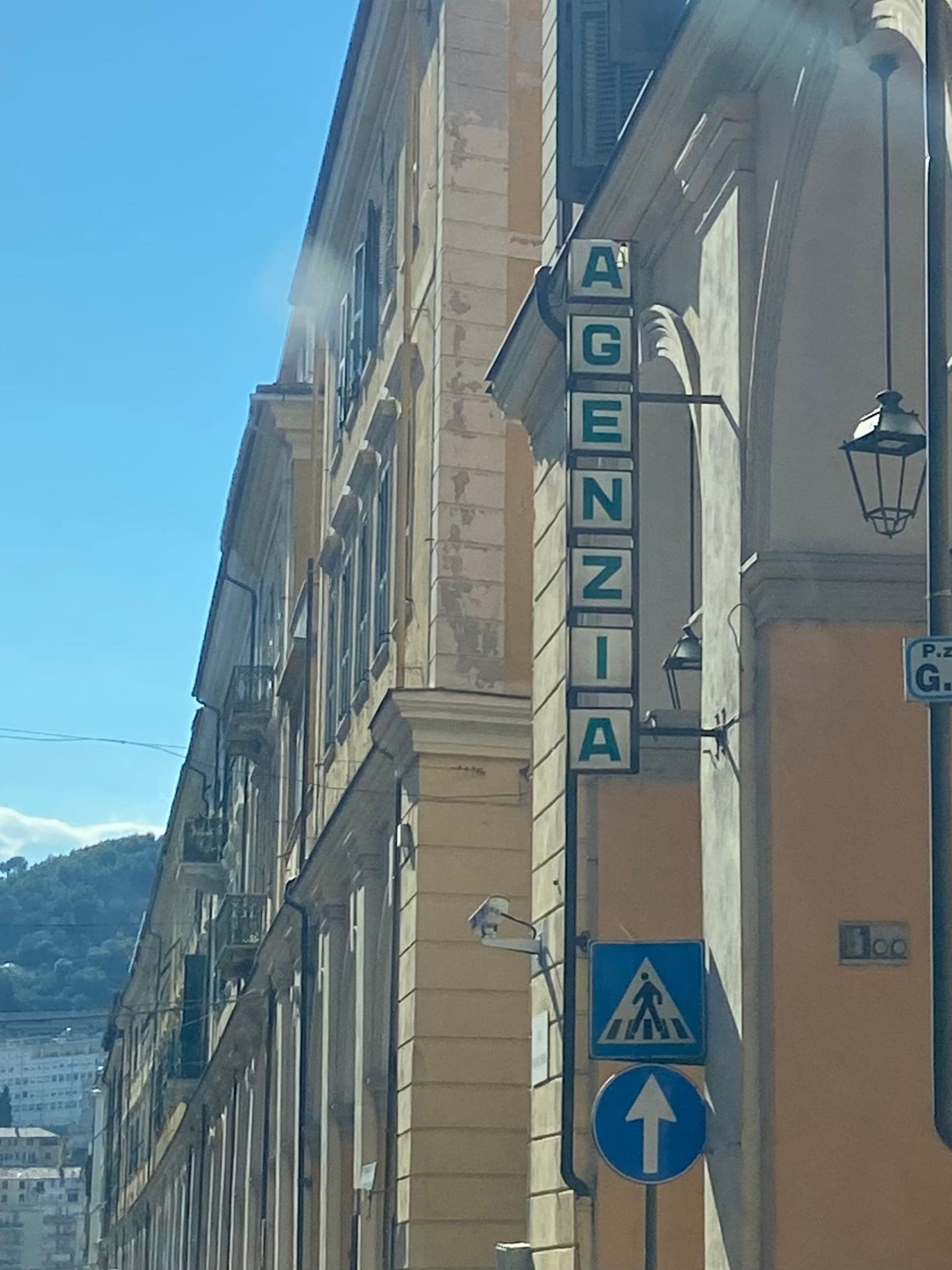
AGENZIA
25 September – 24 October 2026
Francesco Cagnin
Life in Lie
15 August – 12 September 2026
Hannah Heilmann, Albert Mertz, Natalie Price Hafslund, Jonathan Monk, David Shrigley, Henrik Plenge Jakobsen, Tora Dalseng, Goodiepal
Barbara
30–31 May 2026
Mimosa Echard, Lina Viste Grønli, Judith Hopf, Ann Cathrin November Høibo, Henrik Olai Kaarstein, Albert Mertz and Chiemi Shimada
Short Circuit
28 May – 26 June 2026
Kjersti G. Andvig & Lars Laumann
Redd Oktober
18 April – 16 May 2026
Theodor Nymark
Diversione
6 March – 4 April 2026
Zida Bruun
Everybody should have at least one eye closed
5–14 February 2026
Natalie Price Hafslund
FRED
16 January 2026
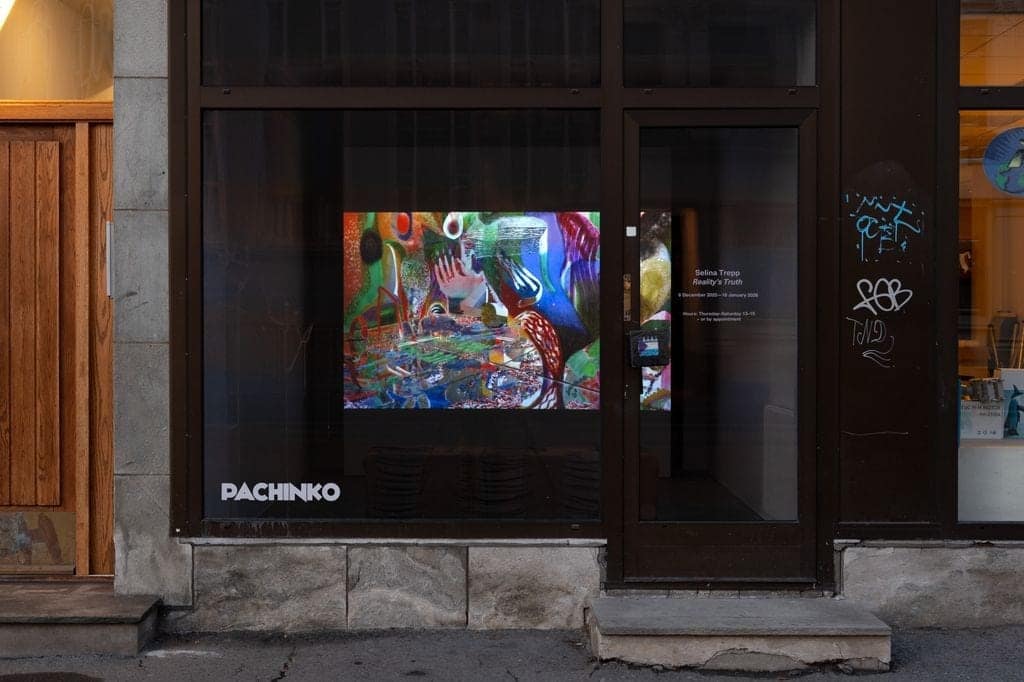
Selina Trepp
Reality's Truth
5 December 2025 – 16 January 2026
Theodor Nymark, Nikhil Vettukattil
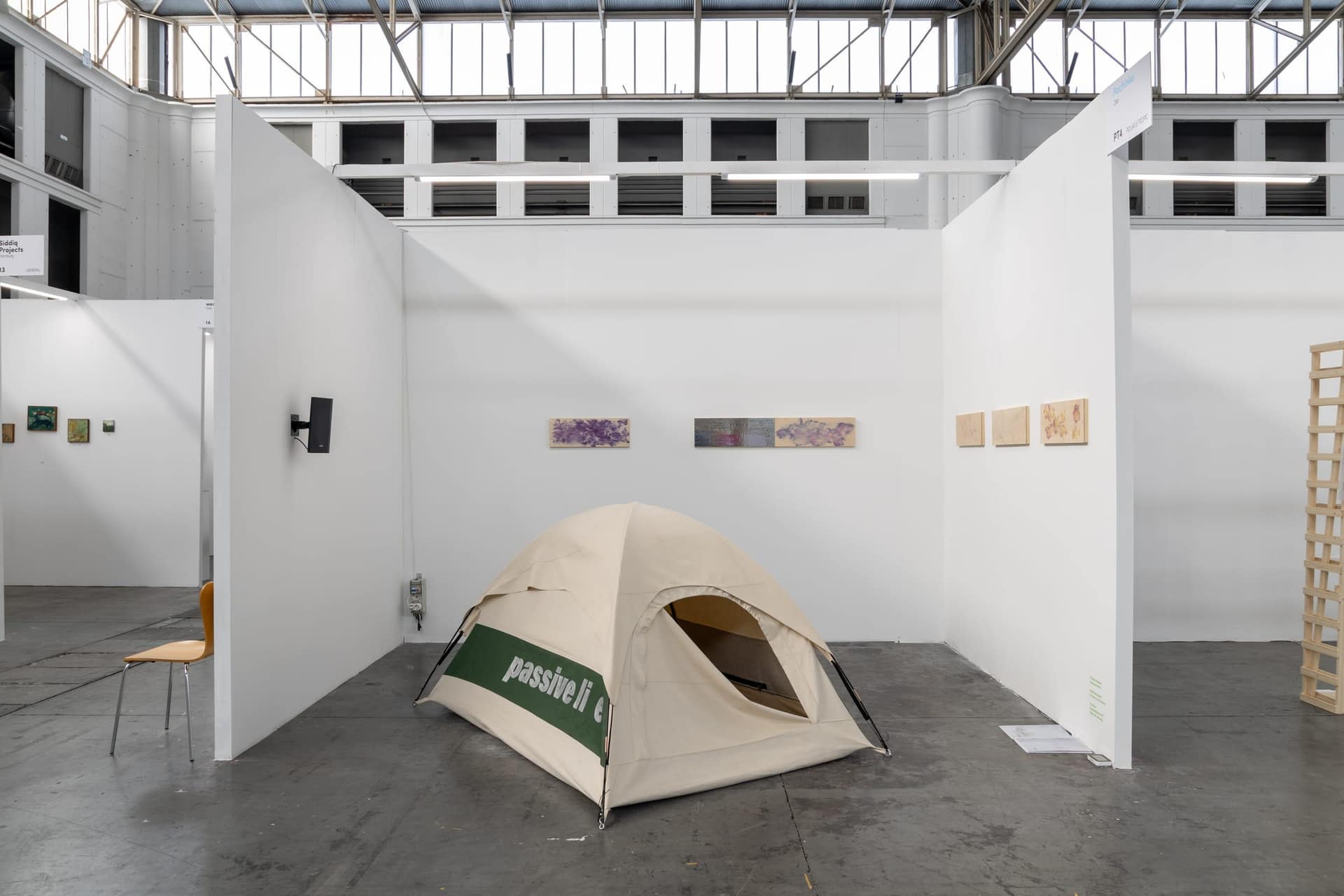
Swab Barcelona
2–5 October 2025
Hannah Heilmann
HORSESHOE SHAPED POINT OF NO RETURN
20 September – 20 October 2025
Bård Torgersen
Oei Oa::: alt snakker Oey Oe::: everything speaks
12 September 2025
Henrik Follesø Egeland
Noise Floor
21–22 August 2025
Oda Kirkebø Nyfløtt, Eirik Havnes, CAKE and DOBRE / JERSTAD
I Am Undone Vol.8
4 June 2025
Saman Kamyab
Terminal of Happiness
25 April – 24 May 2025
Urd J. Pedersen
Verdensfasaden
1–29 March 2025
Fredrik Berberg
New Works
18 January – 15 February 2025
Samuel Brzeski
Tips of the Sung
15–16 November 2024
niilas helander
it takes the earth to make a feather fall
6 October – 3 November 2024
Sofie Amalie Andersen & Thyra Dragseth
Marbles
24 August – 22 September 2024
Arisa Purkpong, Claudia von Alemann, Anna R. Winder, Fiona Berg, Jana Buch
Punched Card (Book launch and screening)
22 August 2024
Anna Sofie Mathiasen
Nursery
20 June – 10 August 2024
Speakers: Coco Fusco, Santiago Sierra, Pamela Karimi, Xiaoyu Weng, Bo Wang, Shumon Basar, Jason Babak Mohaghegh, Tania Bruguera, and Ghazel.
The Tehran Summit 2024: Chthonic Realism
18–24 May 2024
Tris Vonna-Michell
Nudging and Spooling (at Vermilion Sands, Copenhagen)
4 May – 1 June 2024
Damla Kilickiran, Lesia Vasylchenko, Goodiepal
Metallic Muses
1–4 May 2024
Goodiepal
Stanley Brouwn & Rasmus Sørnes Joined The Guild of The Viking Klokkers
29 February – 31 March 2024
Extended Dissolve
7–10 December 2023
Kevin Malcolm, Henrik Follesø Egeland
Dataton Dialogues
23 October 2023 – 14 January 2024
Ingrid Torvund
A Fungus Amungus
29 September – 22 October 2023
Mette Hammer Juhl
Time Killer
18 August – 19 September 2023
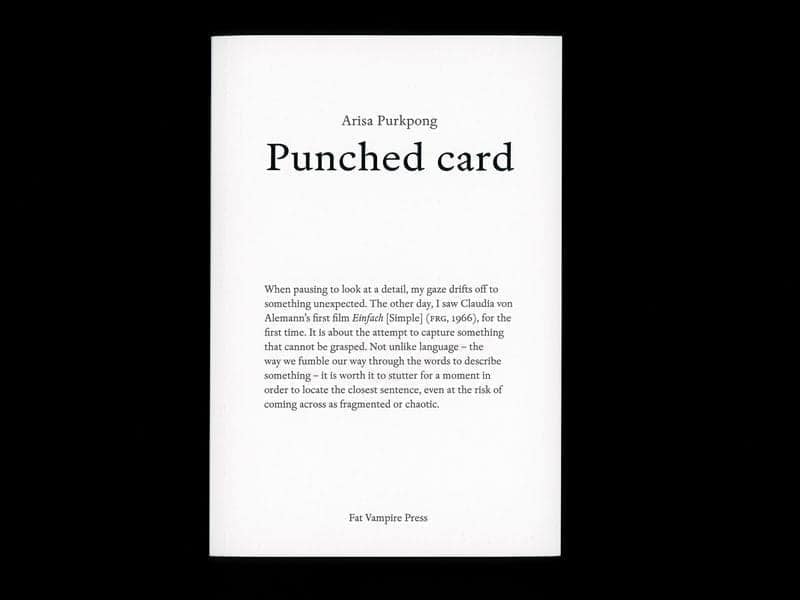
Arisa Purkpong
Punched Card
23 June – 23 July 2023
Natalie Price Hafslund, Javon Bennett
Feelings for Strangers
26 March 2023
 Skip to content