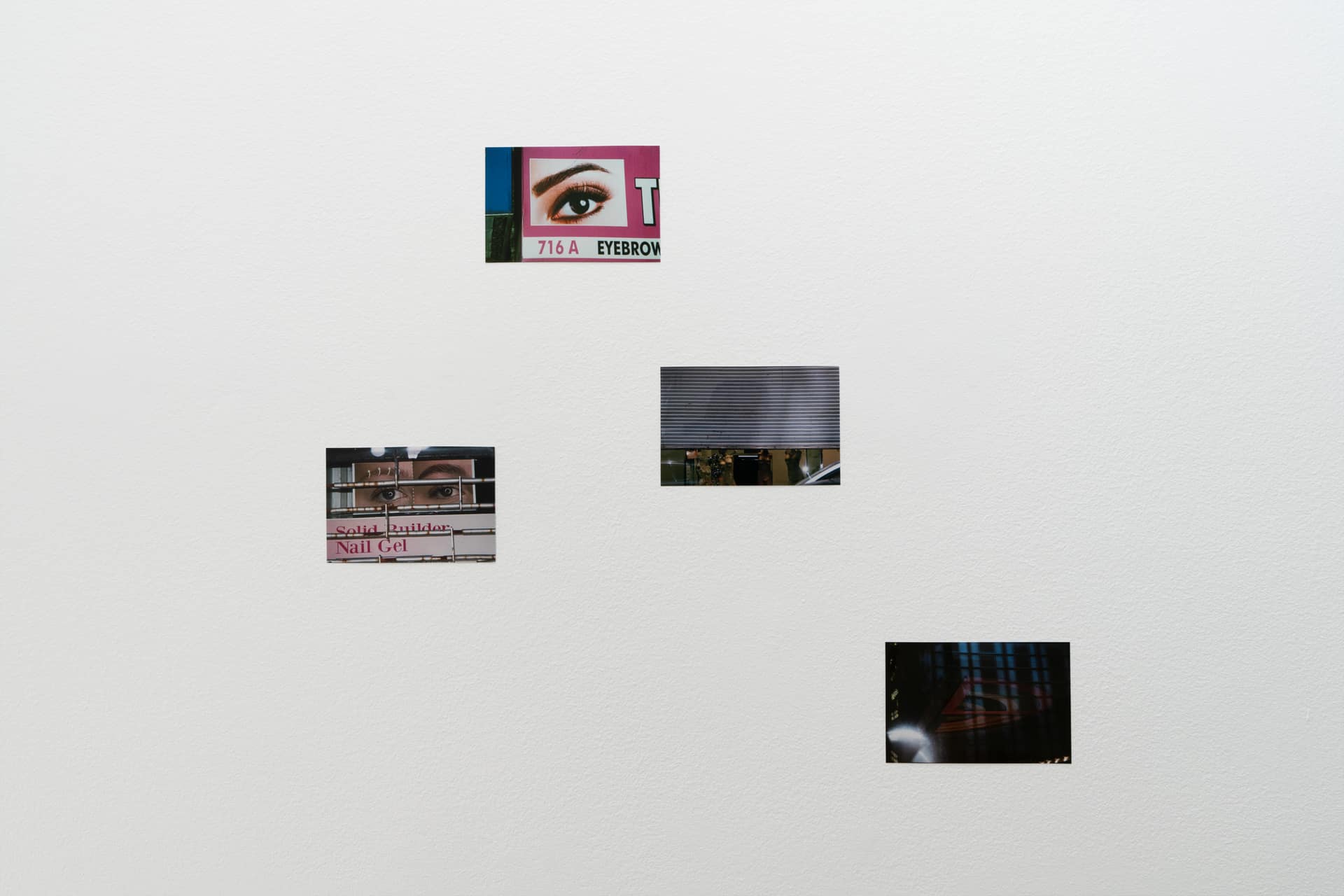
| 2026 | 26 September – 24 October | Exhibition | Camilla Løw | AGENZIA | Website↗︎ |
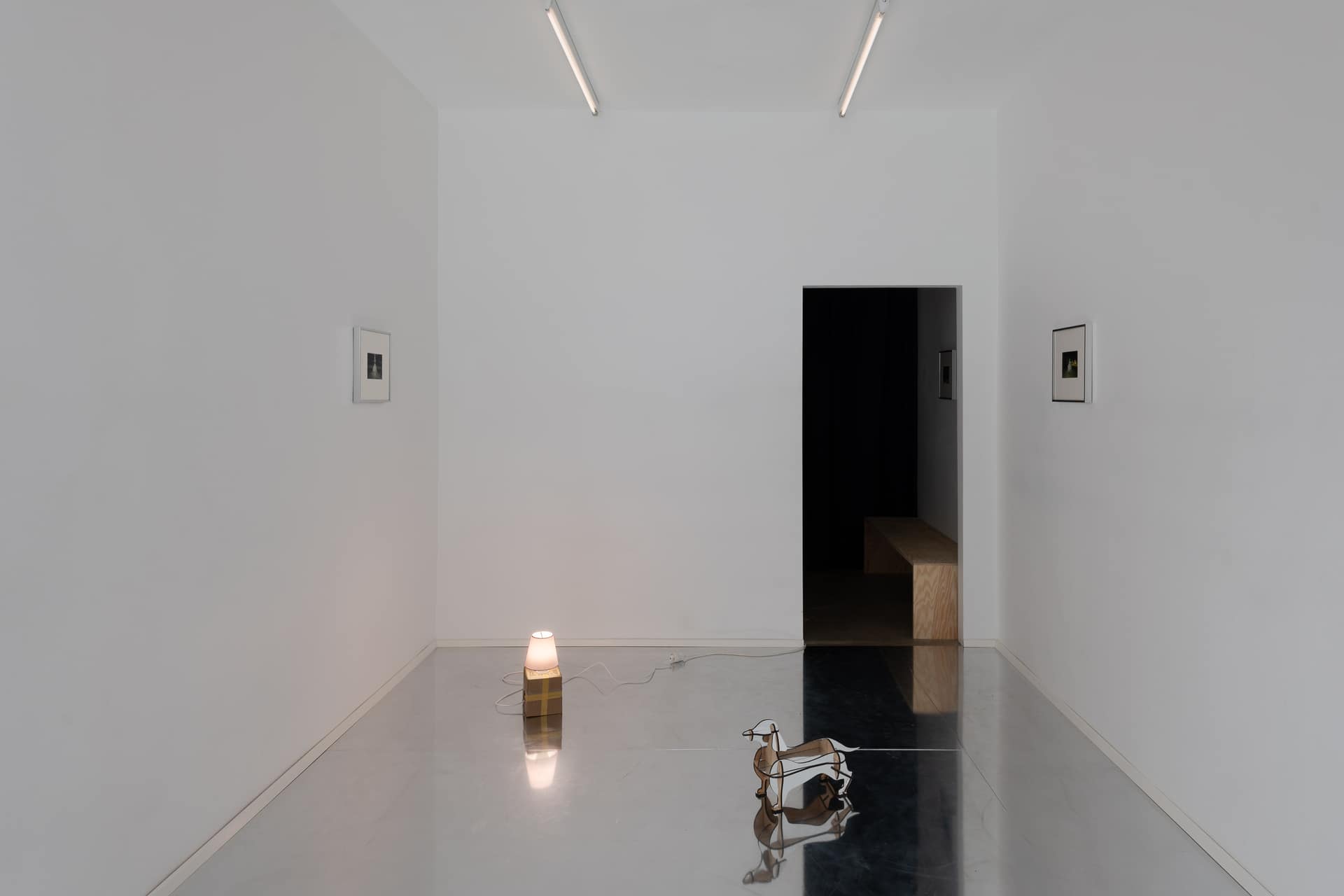
Pachinko is very pleased to present Camilla Løw’s AGENZIA Camilla Løw (b. 1976, Oslo, Norway) holds a BA in Fine Art from the Glasgow School of Art and has received numerous awards and grants including those from the Scottish Arts Council and the Statoil Art Award.
|
| 2026 | 15 August – 12 September | Exhibition | Francesco Cagnin | Life in Lie | Handout↗︎ |
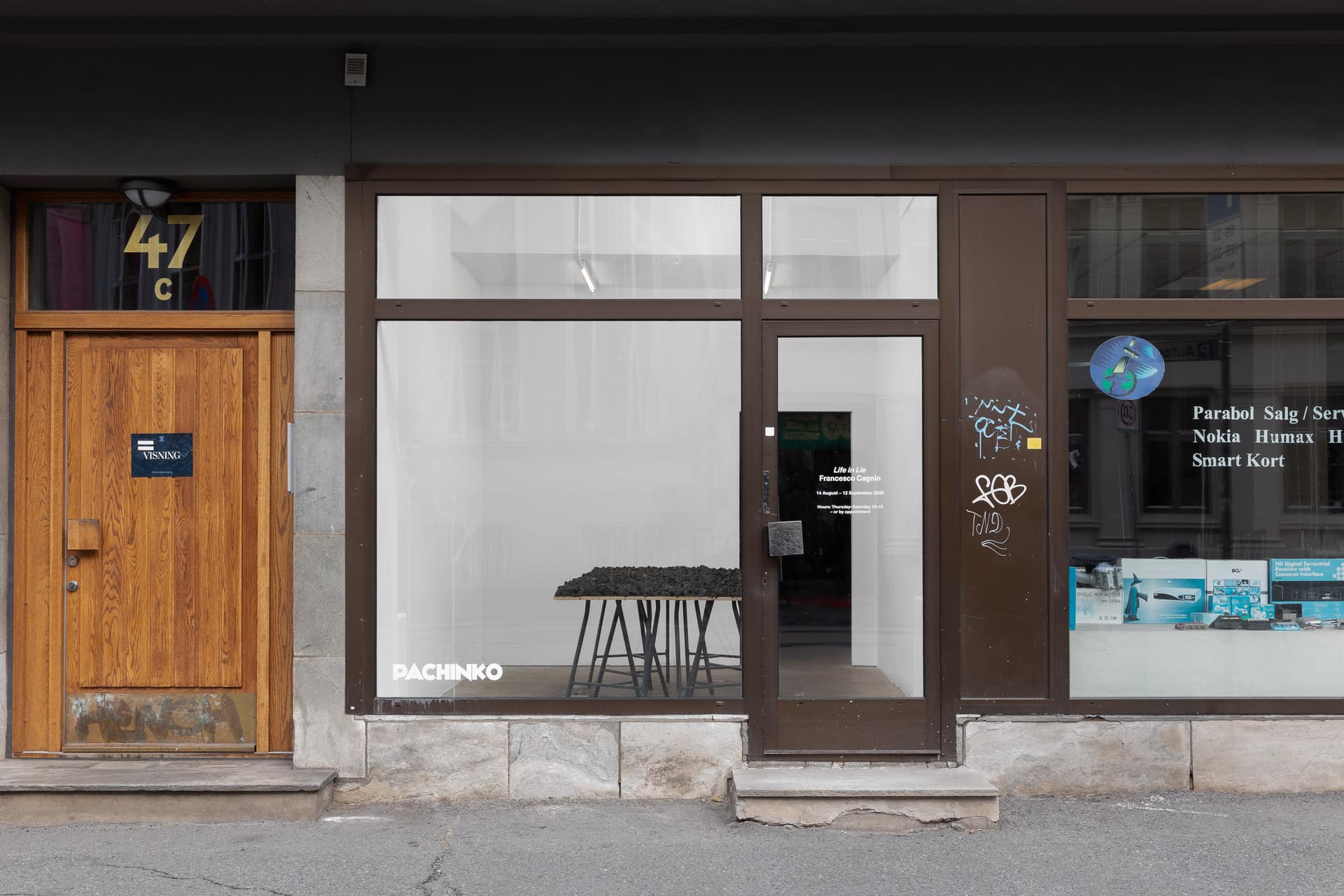
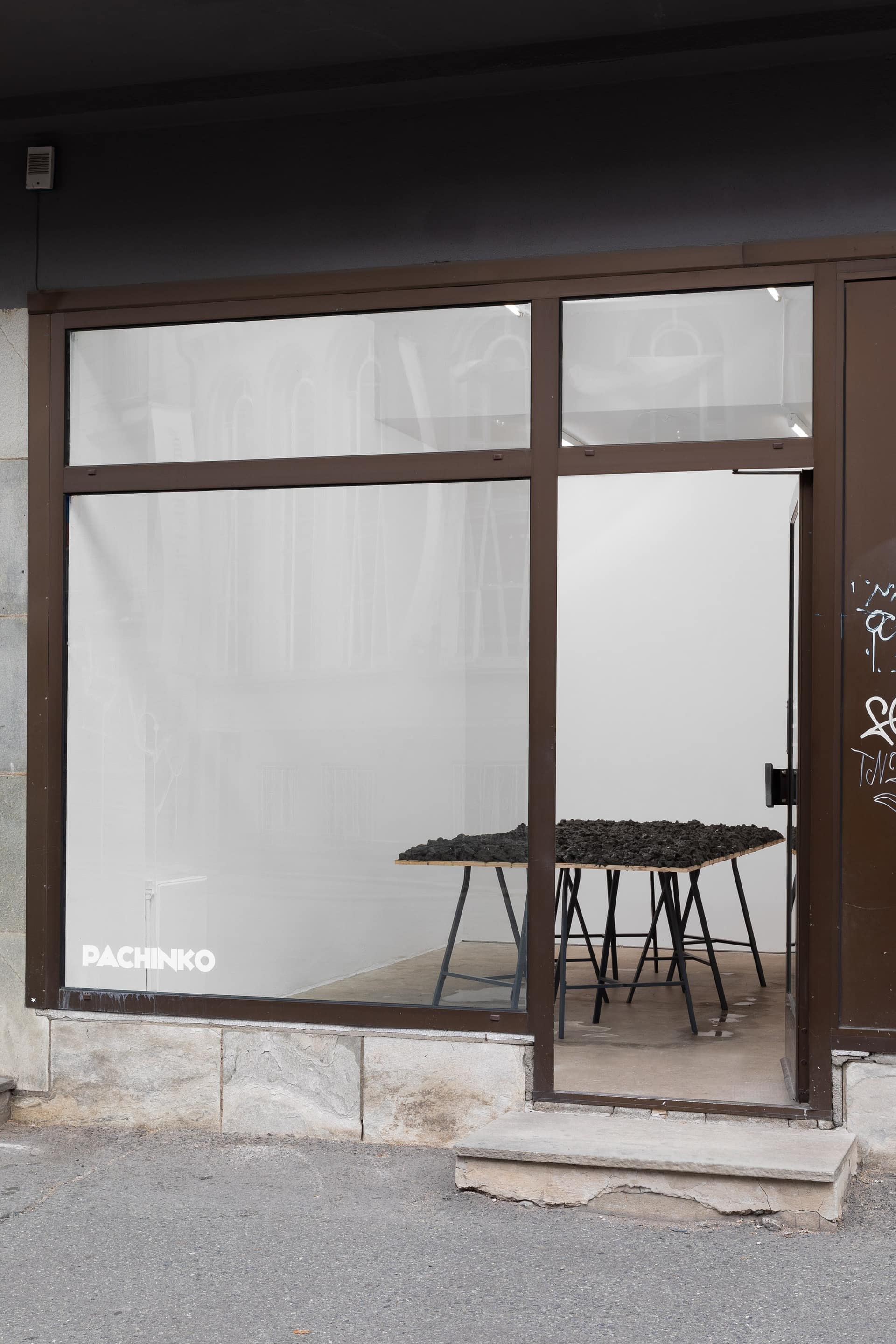
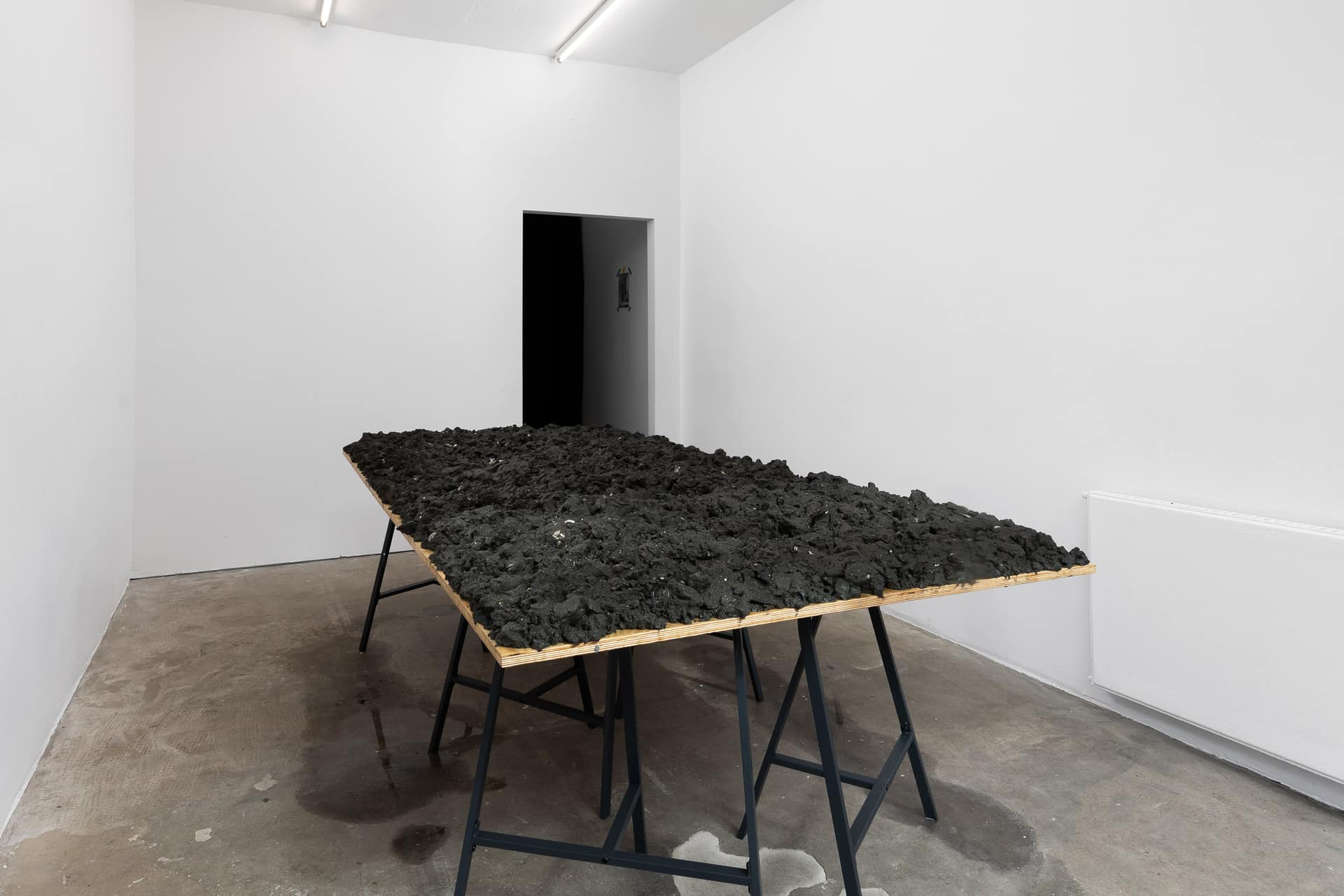
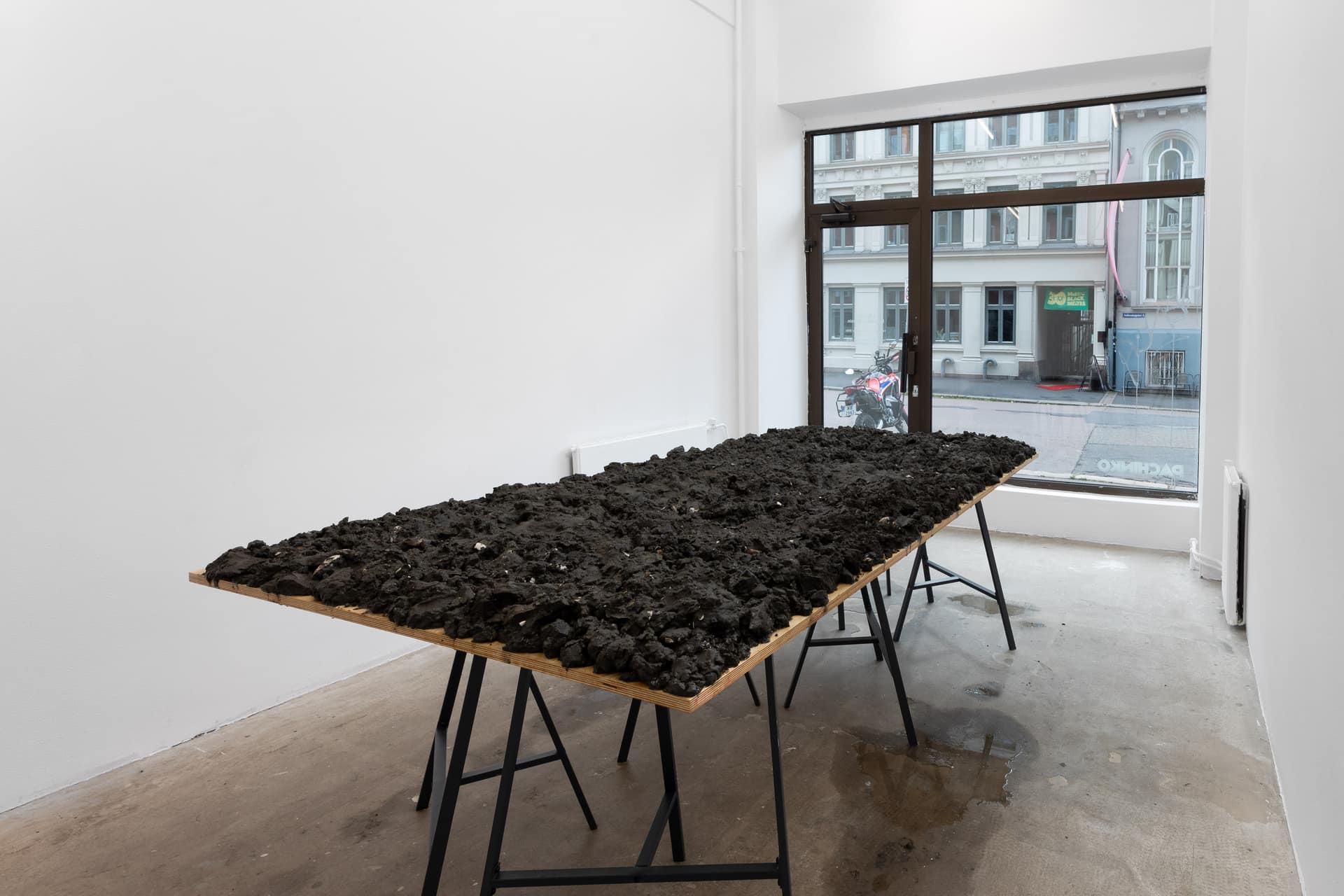
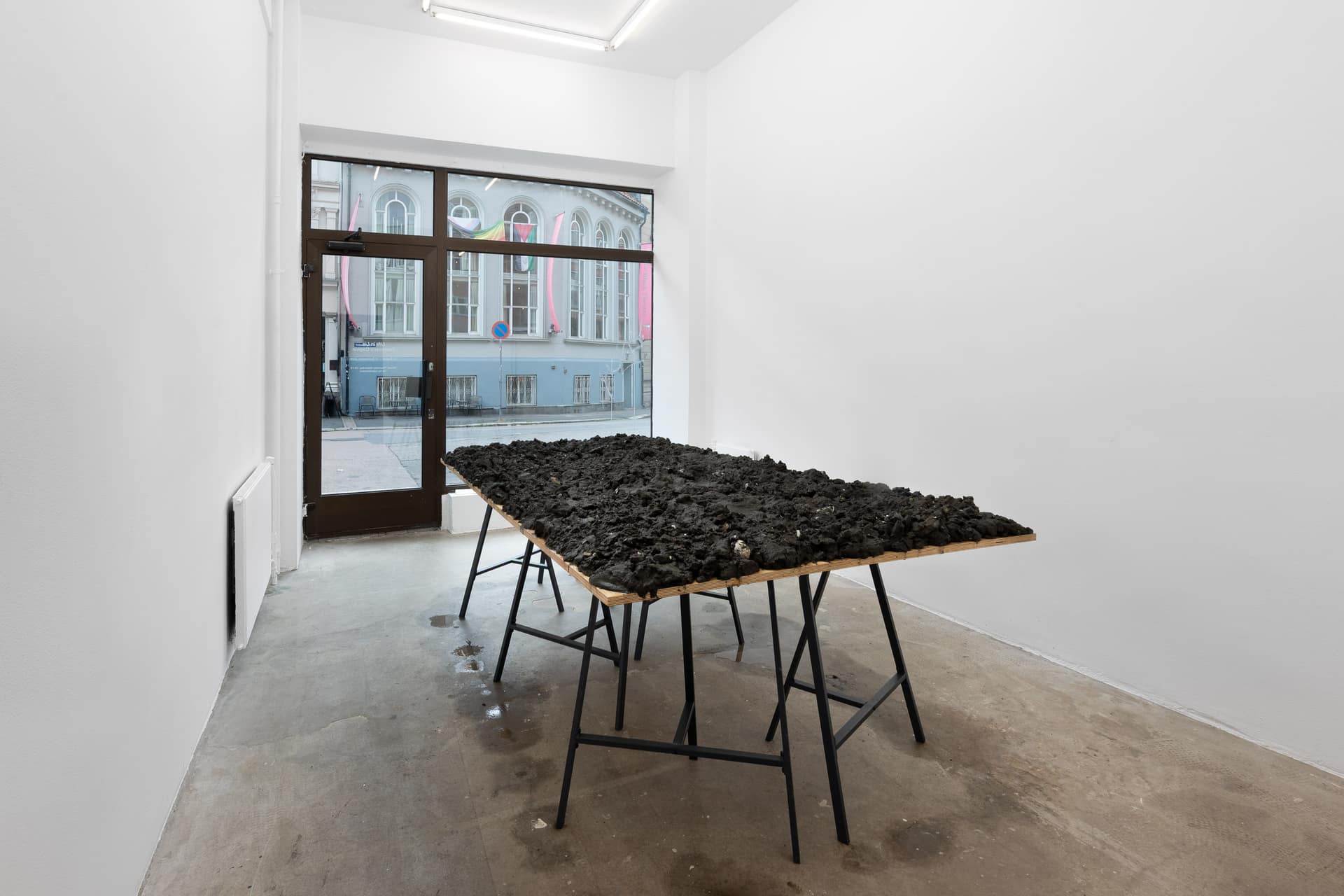
Bottom of the Fjord, 2026
Seabed on table
Variable dimensions
Francesco had 11 months to make the show. We met him at an art fair in Barcelona and extended an invitation at a café. We talked for an hour, while he laid out elements of contemporary life that he was either fed up with or still in love with. He had recently seen Lars von Trier and Jørgen Leth’s The Five Obstructions and proposed to watch it together; we never did. After briefly talking about minor emotional irritations, we exchanged hugs and decided to give it a couple of months before meeting again, now back in Oslo and Zürich respectively.
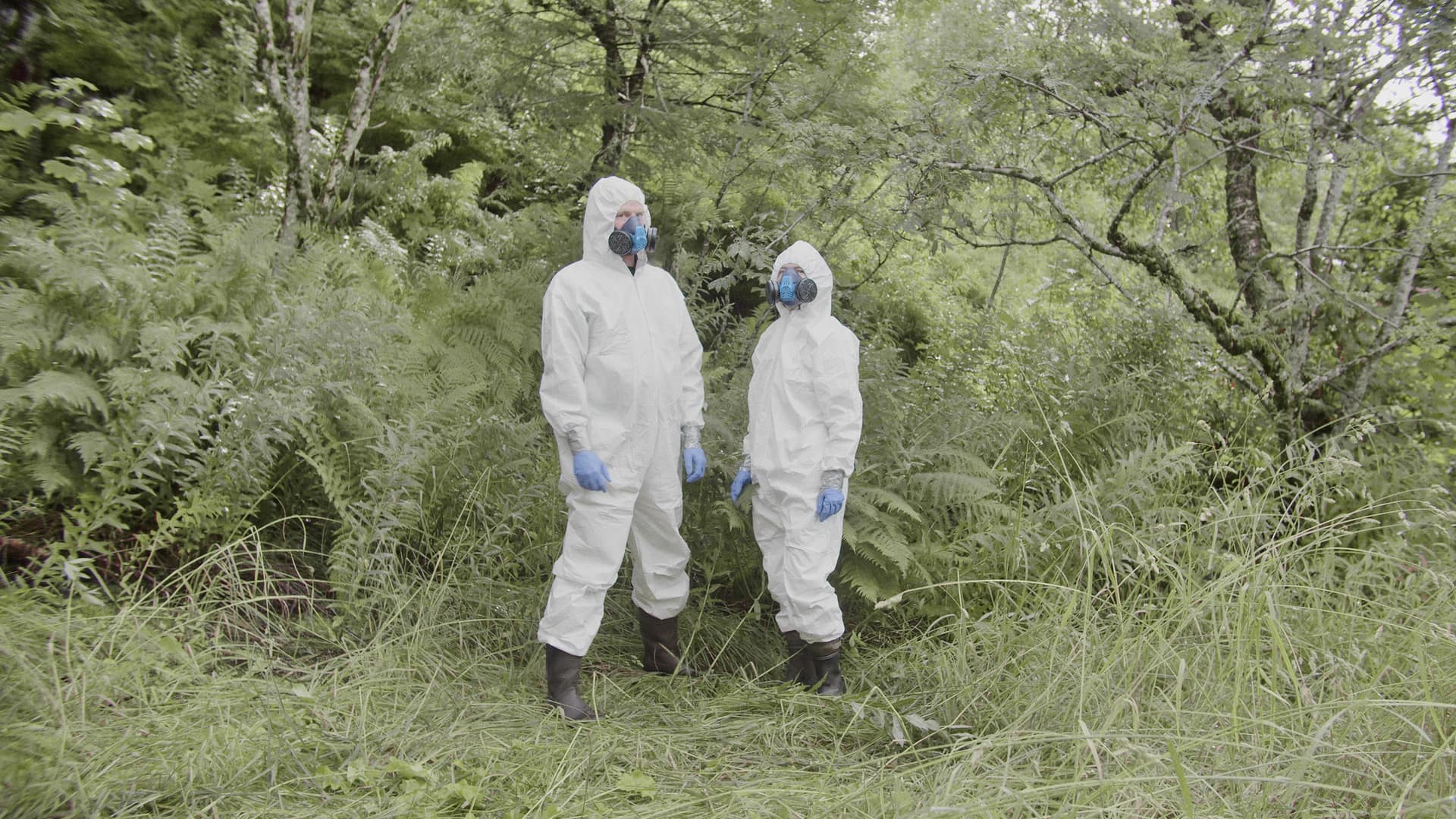
Francesco made it clear that he didn’t want to speak about money or potential funders. It was either of no interest to him, or ruined the interest in everything else. He was keen to be subjected to limitations. Stepping out of our usual role as producers and allies, we proposed to Francesco that he make a work about love. He never responded, instead showing us images of one of his newer works, Intolerance. Months later, during an hour-long meeting from a car, excitement grew with the proposal of a new work, described and later titled as Bottom of the Fjord. The work is the laying out/bare a quarter of a ton of seabed. Initially described as a gut-mind connection trust operation, it was always a very concrete and practical proposal. It was never about Oslo, as the piece can be reproduced in different contexts, nor ecology, an abject and formless matter, or sculpture, although it wouldn’t matter if it were to be read in such a way[1].
During the preparation of Life in Lie there was, for a while, an image problem as any image seemed too partial. The broader image became too abstract. And everything else — the riddle he avoided, because riddles, a trigger-word, are sentimental (they believe obstruction exists in order to be solved); the diagram he wouldn’t employ (because diagrams are even more moralistic than riddles) — came down to the same fundamental suspicion: to make something clear, one first has to agree on what the information is, and why it has been arranged that way. This is very convenient, unless convenience is the problem.
[1] Francesco Cagnin: “In the last few weeks, while exercising my imagination and trying to visualise Bottom of the Fjord inside Pachinko, I started noticing something strange: my news feed suddenly filled with images of the exposed bottoms of other bodies of water, revealed by this summer’s drought. I couldn’t help reading this coincidence as a kind of omen. There is a recurring tendency among certain artists to notice something in reality, unscrew it from its context, and rescrew it onto the wall of a gallery. The number of coincidental encounters that have accompanied the making of this work makes me think that many of us are trying to deal with similar things, only through different forms. And perhaps it is precisely when those forms begin to differ that we are prompted to disagree.” An artist born in Mirano, on the mainland of Venice, and based in Zurich, Switzerland, Francesco Cagnin studied at IUAV (Venice), SOMA (Mexico City), and graduated at ECAL (Lausanne) in 2016. His work has been exhibited internationally, including at Autokomanda Belgrade, Kunsthalle Zürich, Centre d’Art Contemporain Geneva, Fondation Ricard Paris, Fondazione Bevilacqua La Masa Venezia and the 16th Quadriennale di Roma.
|
| 2026 | 28 May – 26 June | Exhibition | Mimosa Echard, Lina Viste Grønli, Judith Hopf, Ann Cathrin November Høibo, Henrik Olai Kaarstein, Albert Mertz and Chiemi Shimada | Short Circuit | Handout↗︎Text by Roland Barthes↗︎ |
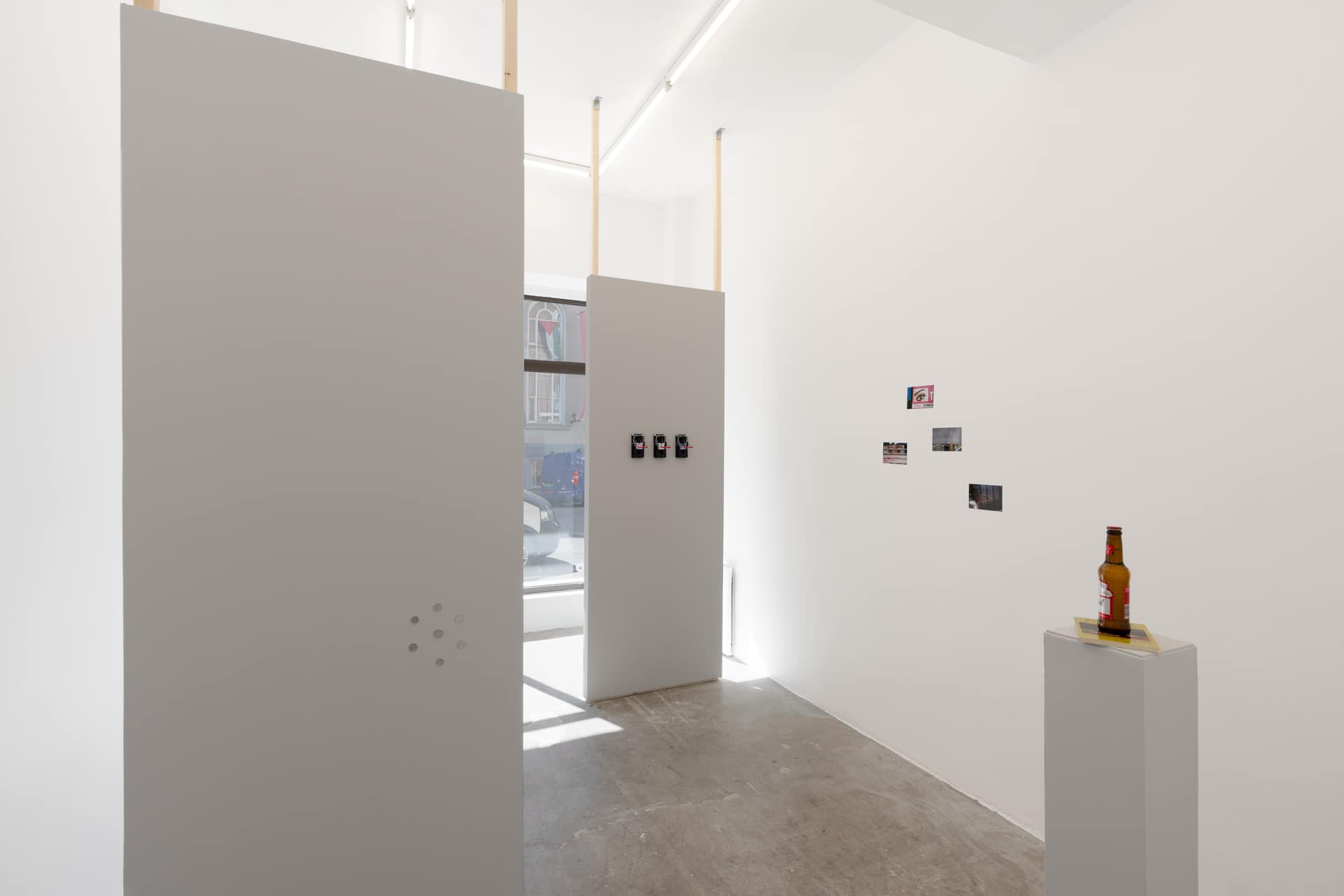
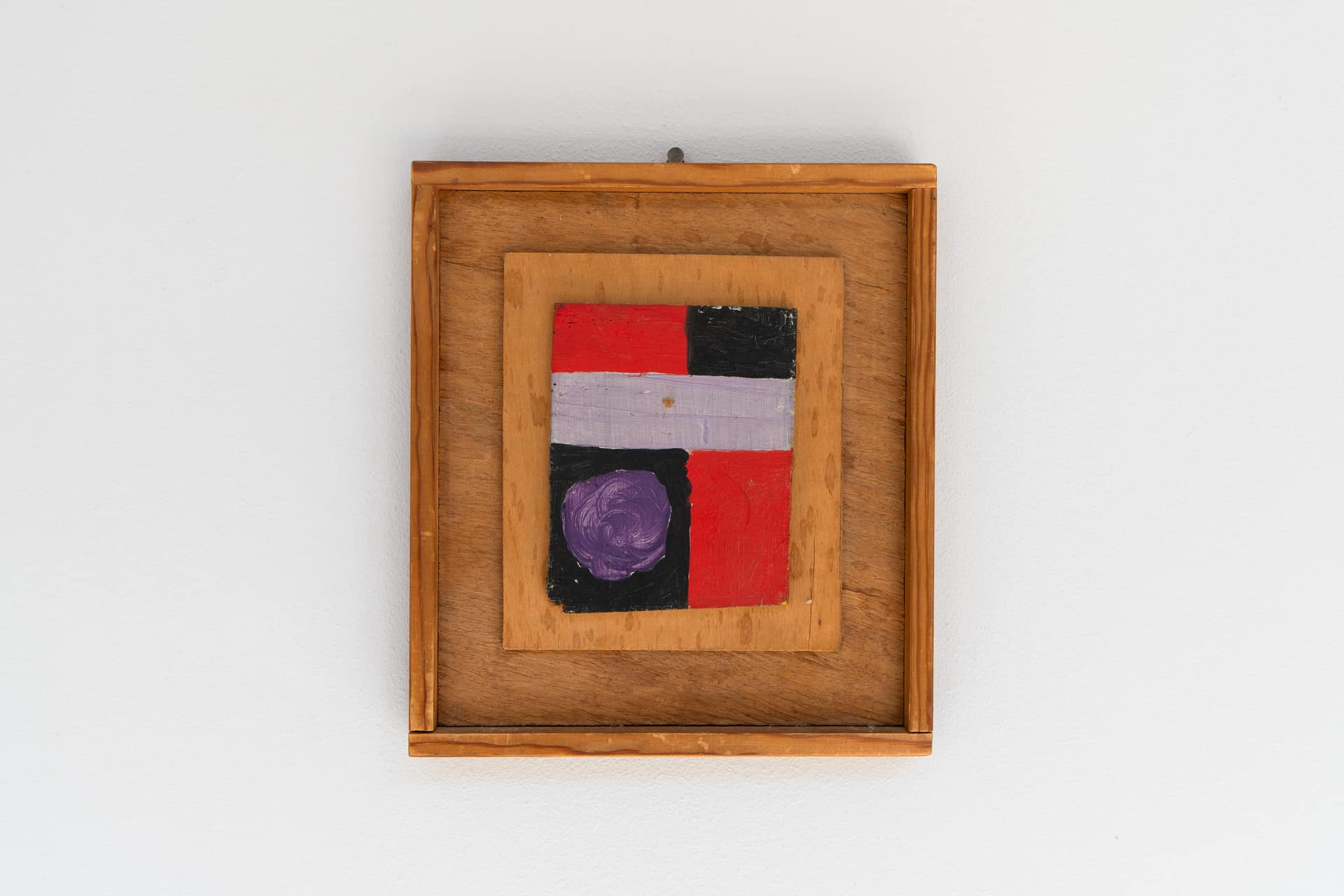
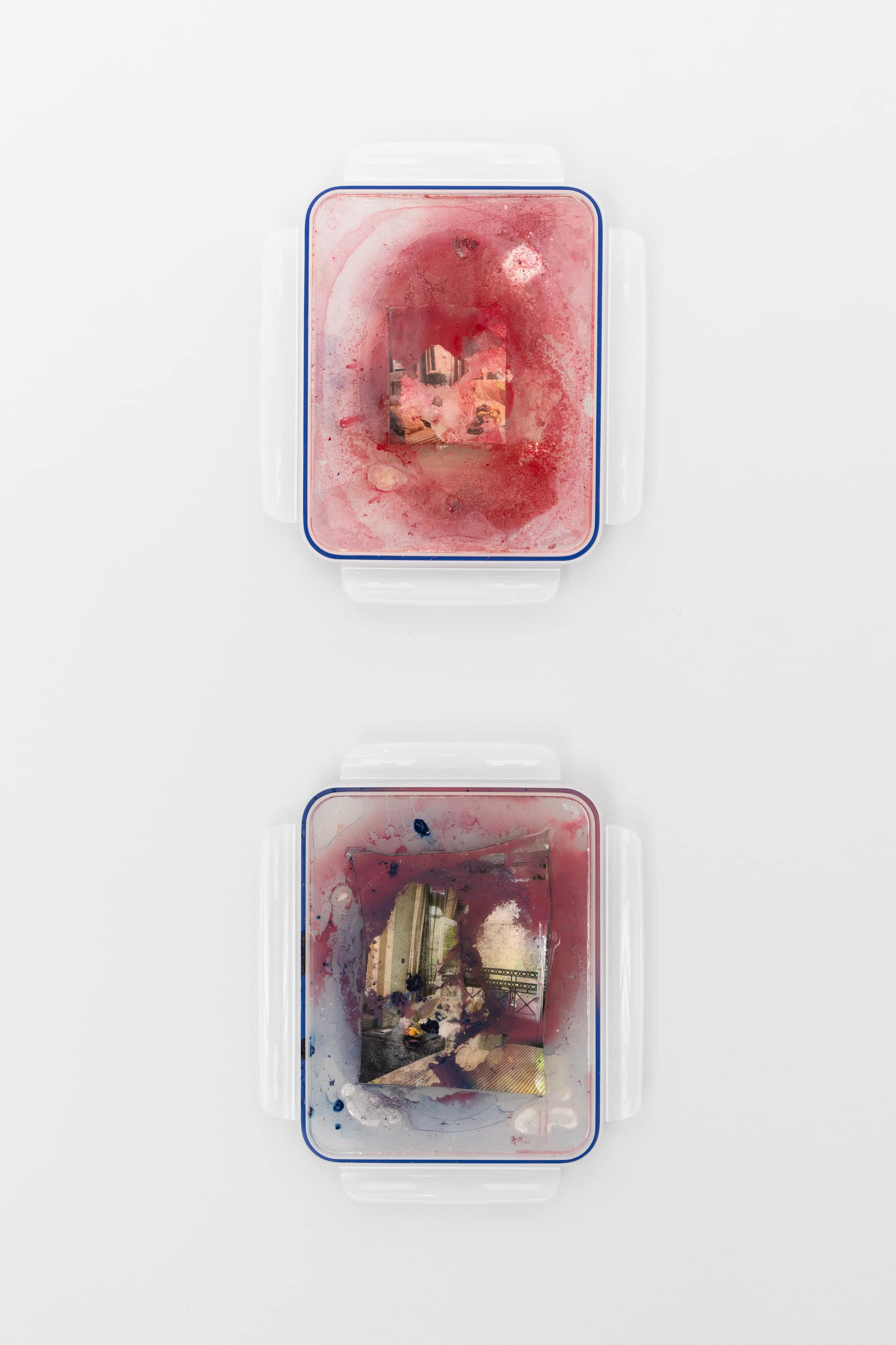
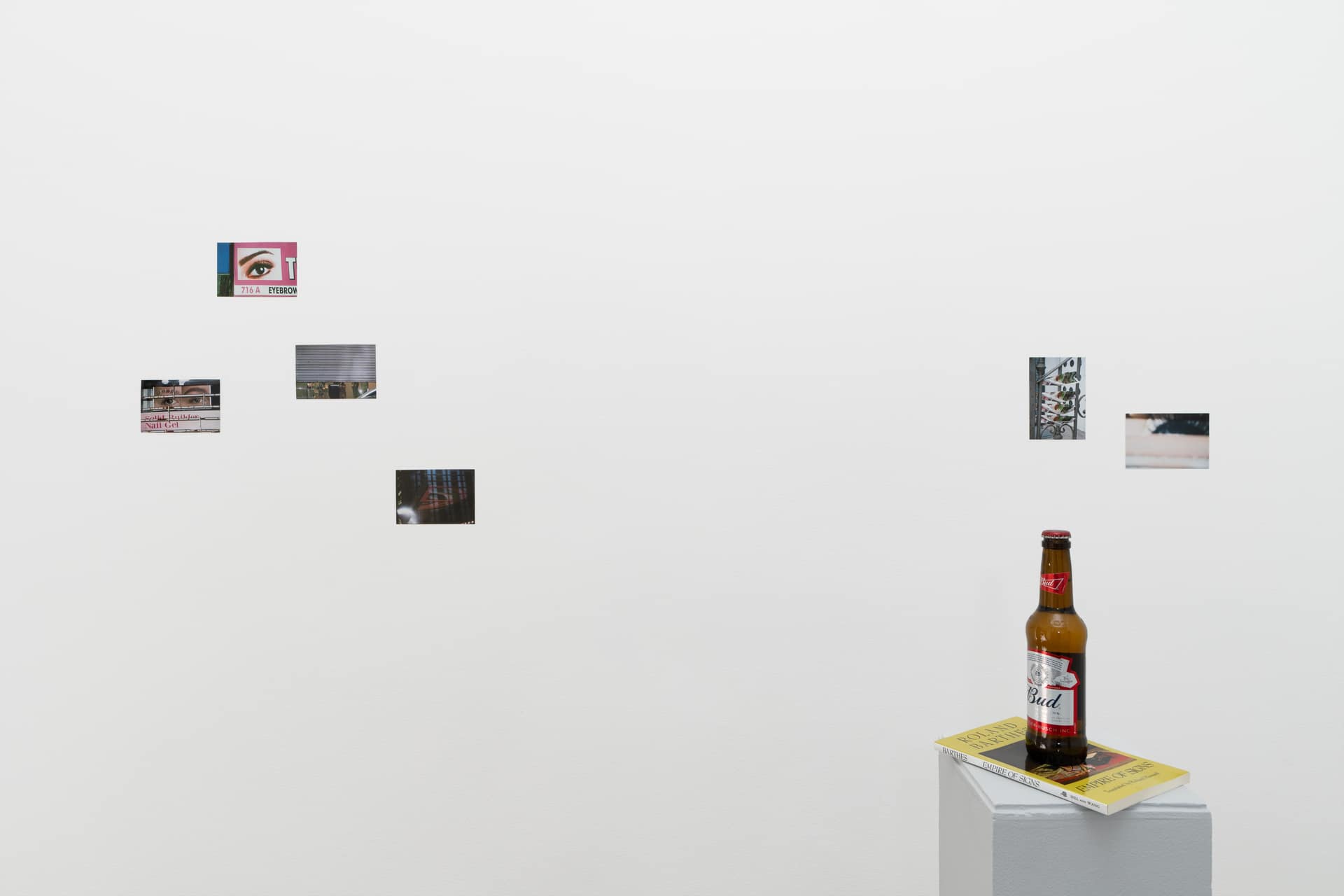
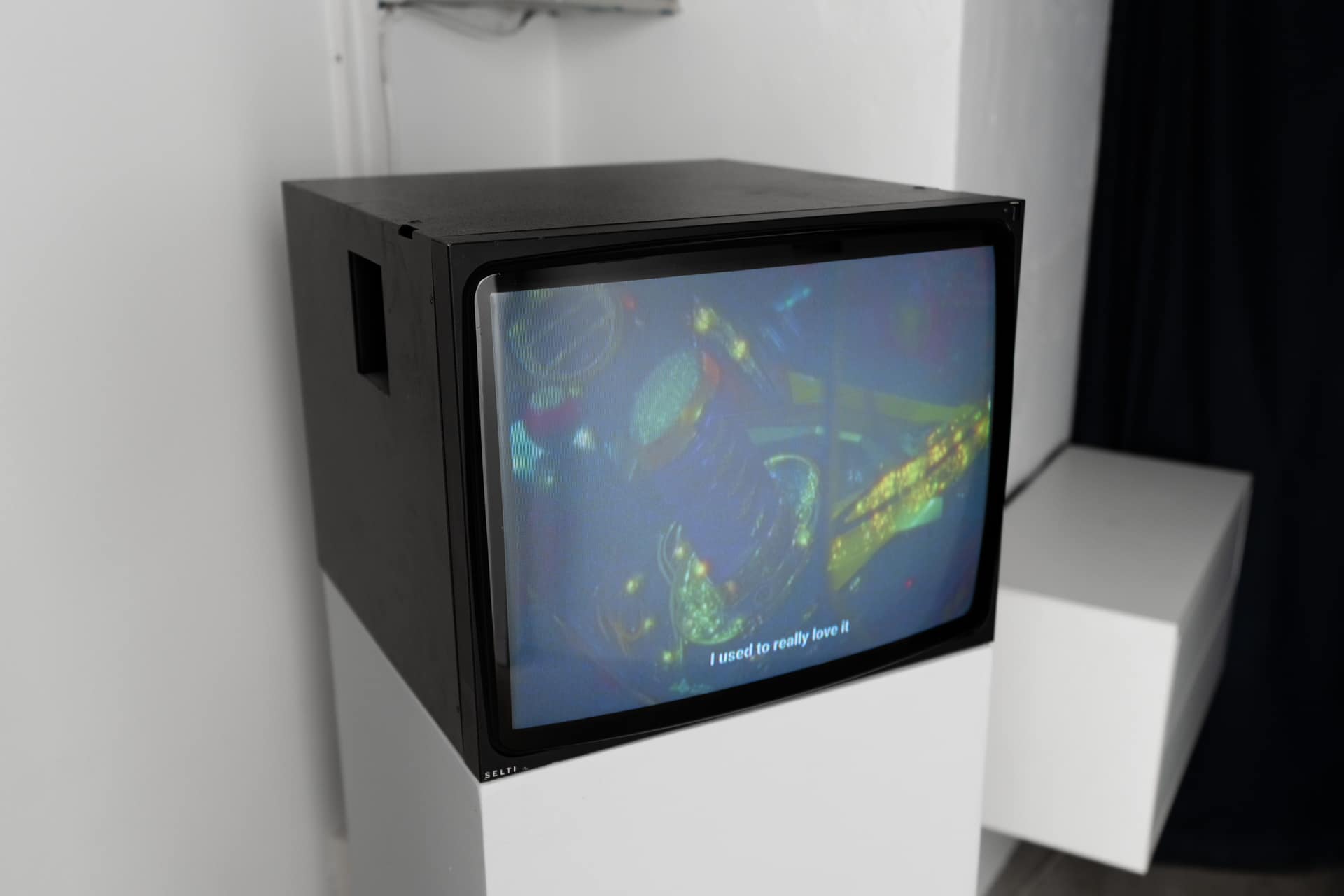
Mimosa Echard, Lina Viste Grønli, Judith Hopf, Ann Cathrin November Høibo, Henrik Olai Kaarstein, Albert Mertz and Chiemi Shimada 28 May – 26 June 2026 FEVER!
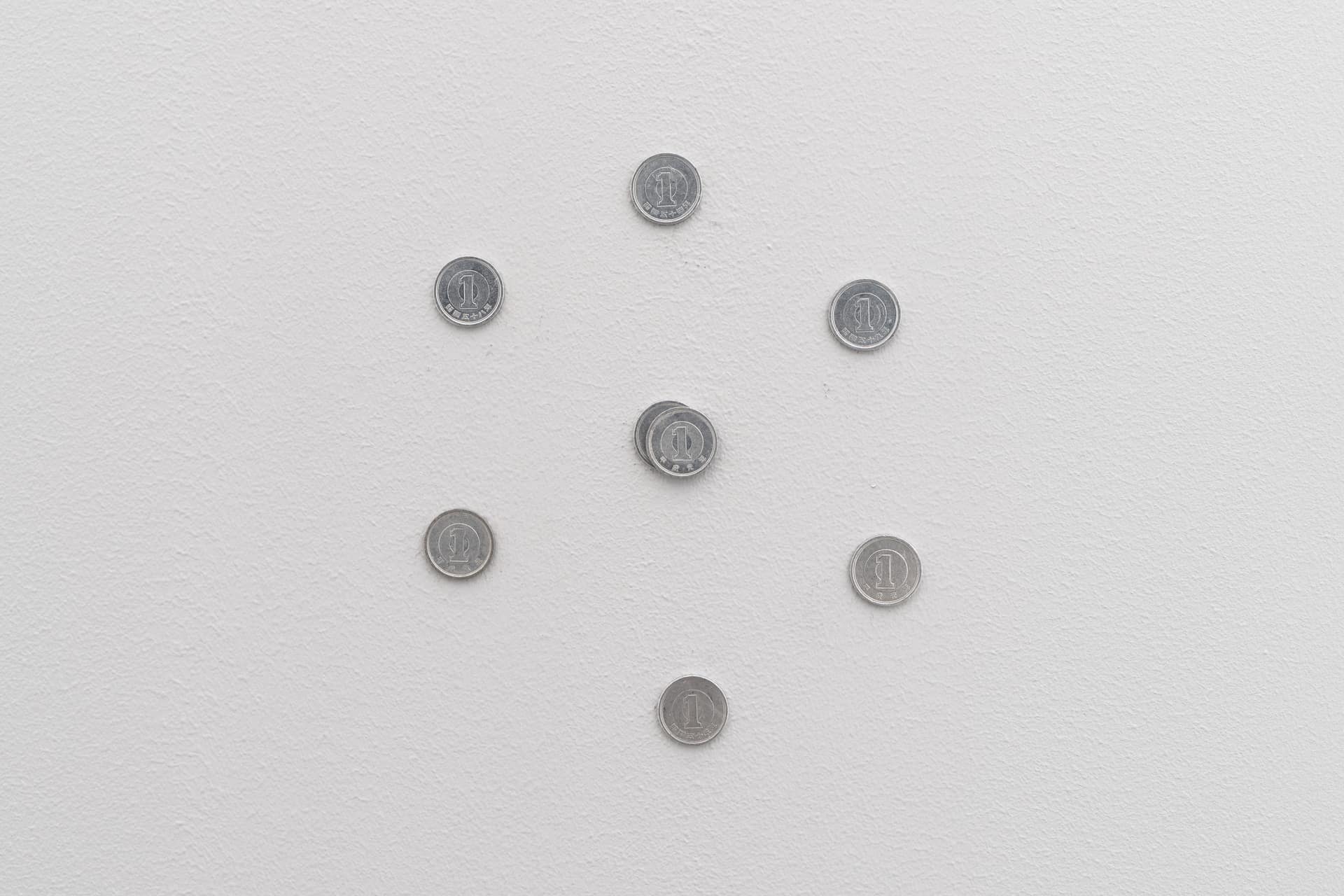
In the mid-00s, actor Nicolas Cage starred in a series of Japanese TV commercials for the pachinko manufacturer Sankyo. He plays the piano, rides with cowboys, dances with aliens, screams “FEVER!” In one of them, a pearl earring rolls off a woman’s ear, down her body, hits the floor and suddenly the entire surface is covered in what seem to be small metal balls. Cage appears, shouting: “I love pachinko!” All of the commercials are fragmented, absurd, quick montages that don’t necessarily communicate anything specific. In a way, they operate on the same principle as the machine they’re selling: keep the current flowing.
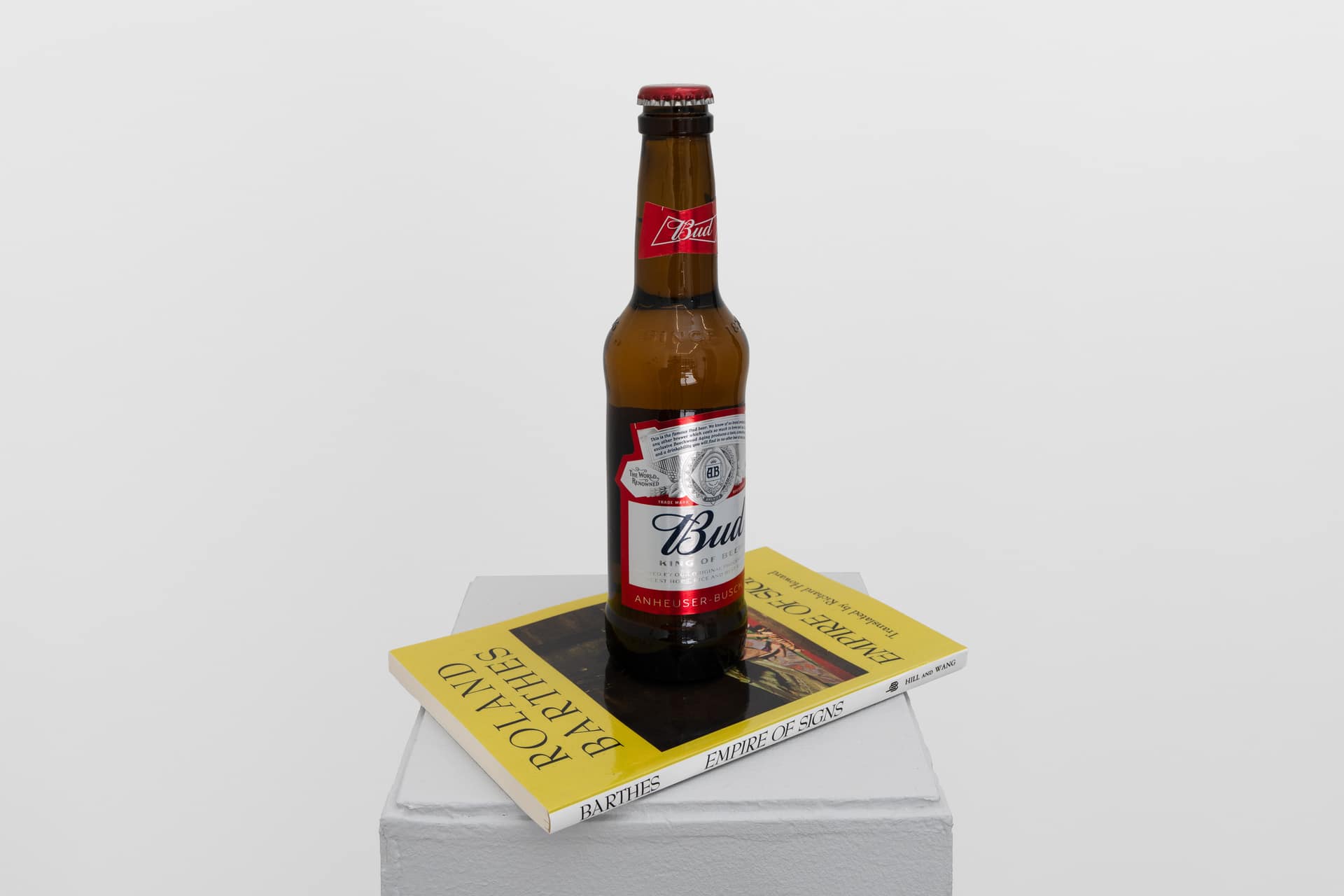
In his short essay on pachinko in Empire of Signs, Roland Barthes describes the parlour not as a space of leisure but of “a deliberate, absorbing labor; never an idle or casual or playful attitude.” Players stand in rows, each sealed in their own loop, feeding metal balls into machines with an abrupt, uninterrupted gesture. Everything is decided in a single movement. What Barthes calls a “nutritive circuit”: money converted into balls, balls into flow, flow into modest, absurd rewards – a candy bar, an orange, a pack of cigarettes. The point is not what is won but that the circulation continues. Pachinko, in this reading, is less a game than a model – for how capital moves, how attention is held, how desire is kept in place by the system that produces it. [1]
Short Circuit takes this logic as its starting point. A short circuit occurs when excessive current bypasses its intended path, when the system overloads on its own energy. The exhibition is structured accordingly: the exhibition space is designed as a closed circuit, a pinball architecture through which the viewer moves without exit, entering the circuit.
—Abirami Logendran
[1]Roland Barthes, Empire of Signs, trans. Richard Howard (New York: Hill and Wang, 1982), 27–29.
The exhibition is curated by Abirami Logendran in collaboration with Pachinko Mimosa Echard (b. 1986, Alès, France) lives and works in Paris. Her work spans sculpture, installation, and video, combining organic and synthetic materials. Winner of the 2022 Marcel Duchamp Prize.
Lina Viste Grønli (b. 1976, Bergen, Norway) lives and works in the United States. Her sculpture and writing engage with language, semiotics, and popular culture.
Judith Hopf (b. 1969, Karlsruhe, Germany) lives and works in Berlin. Her sculptures, videos, and performances use humour and everyday materials to address technology, labour, and social dynamics.
Ann Cathrin November Høibo (b. 1979, Kristiansand, Norway) lives and works in Kristiansand. She works primarily with handwoven textiles.
Henrik Olai Kaarstein (b. 1989, Oslo, Norway) lives and works in Brussels and Oslo. His practice involves the manipulation of textiles, paper, and found materials through chemical and physical processes.
Albert Mertz (1920–1990, Copenhagen, Denmark) was a Danish artist, filmmaker and critic. He worked with painting, film, collage and objects, often through his signature “red+blue proposition”.
Chiemi Shimada (b. 1991, Chiba, Japan) is an artist and filmmaker based in London. Working with analogue and digital film, her work explores memory, intimacy, and late-stage capitalism through moving image and installation.
Abirami Logendran (b. 1992, Oslo, Norway) is an artist, curator and writer. Her work fixes a wide lense on visual culture and looks at how media technologies and their modes of circulation shape our collective experience.
|
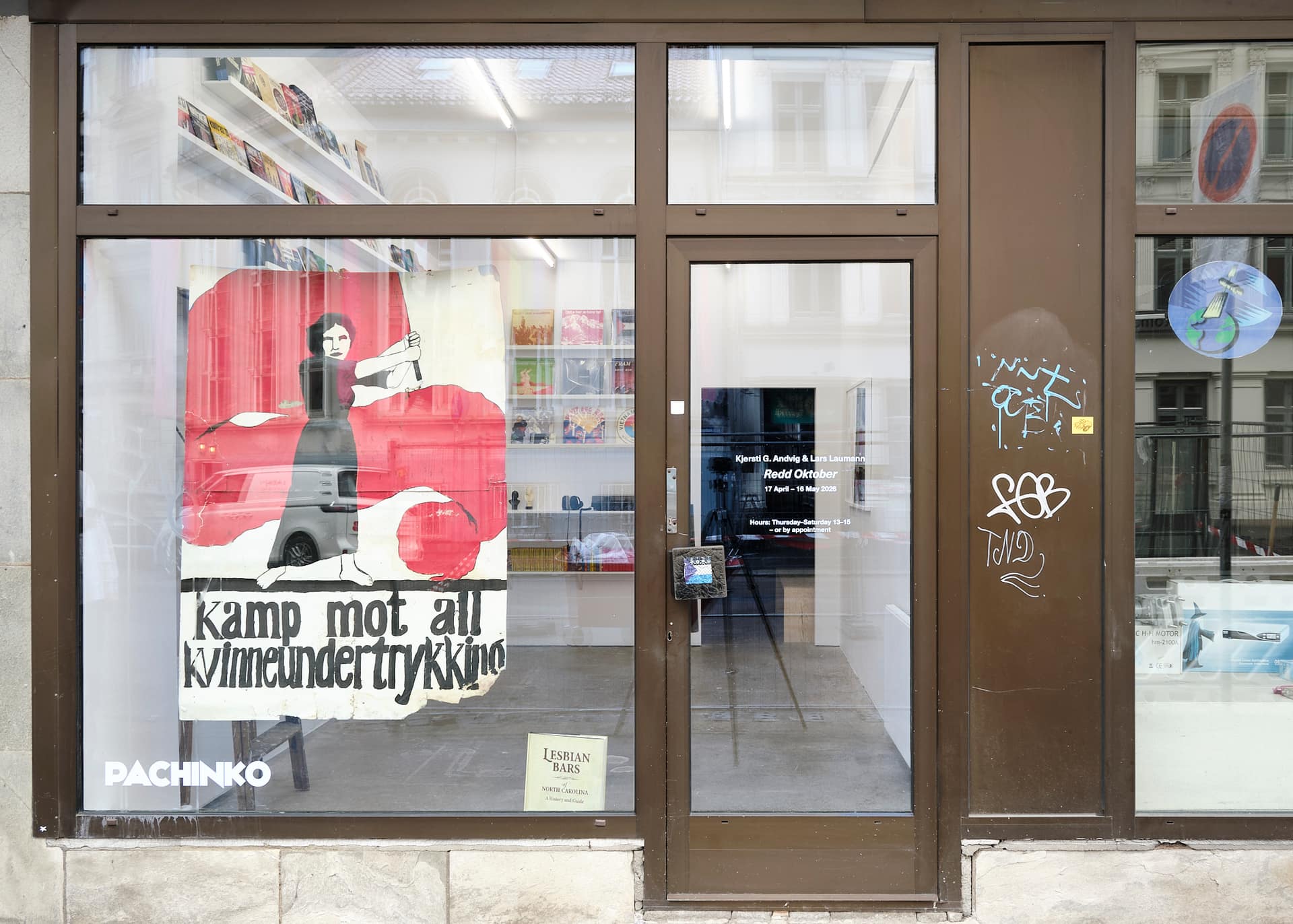
| 2026 | 18 April – 16 May | Exhibition | Kjersti G. Andvig & Lars Laumann | Redd Oktober | Handout↗︎ |
Lars Laumann and Kjersti G. Andvig have known each other for more than 30 years. Over that time, their friendship has moved through several versions of Norway and several versions of themselves, including periods where class was addressed directly, and others where it was easier to treat it as either a private matter or an outdated concept. Something you might mention in passing, before shifting to other terms such as background, geography or taste. At the same time, it has remained present in more indirect ways, as a condition that shapes how situations are read and responded to, and how certain decisions come to seem available or not.
As such, Redd Oktober builds on a long-standing, personal exchange, and can be difficult to pin down. At its centre is a new film, developed through an ongoing dialogue between the artists and marked by a sustained (mostly friendly) disagreement about what their own class histories “count” as, and what kind of authority they can claim when speaking about class at all. Both have moved, both have made use of the possibilities available to them, and both have encountered the difficulty that mobility changes how class appears without removing it. It tends to shift into the background, where it becomes harder to point to directly, even as it continues to organise experience.
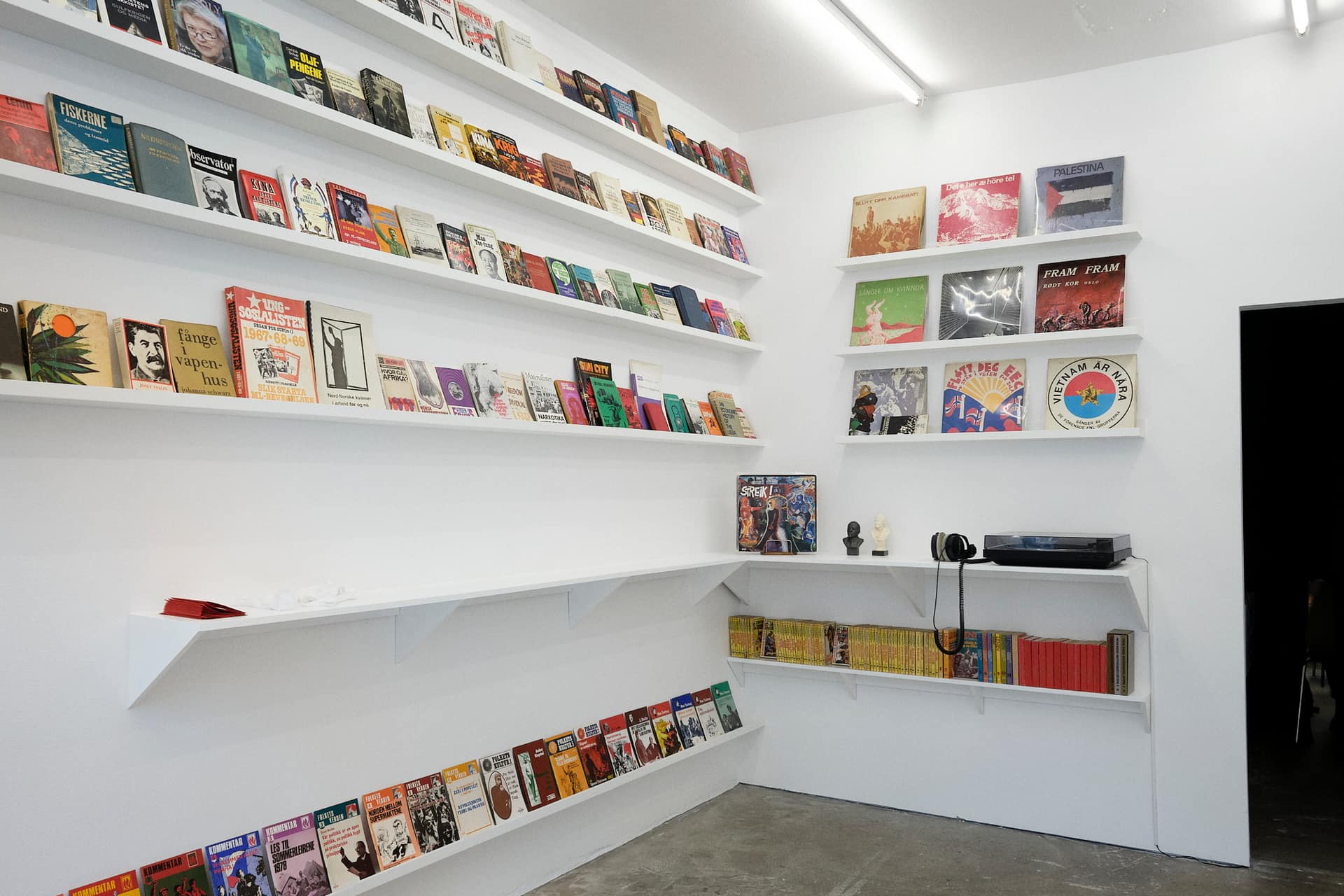
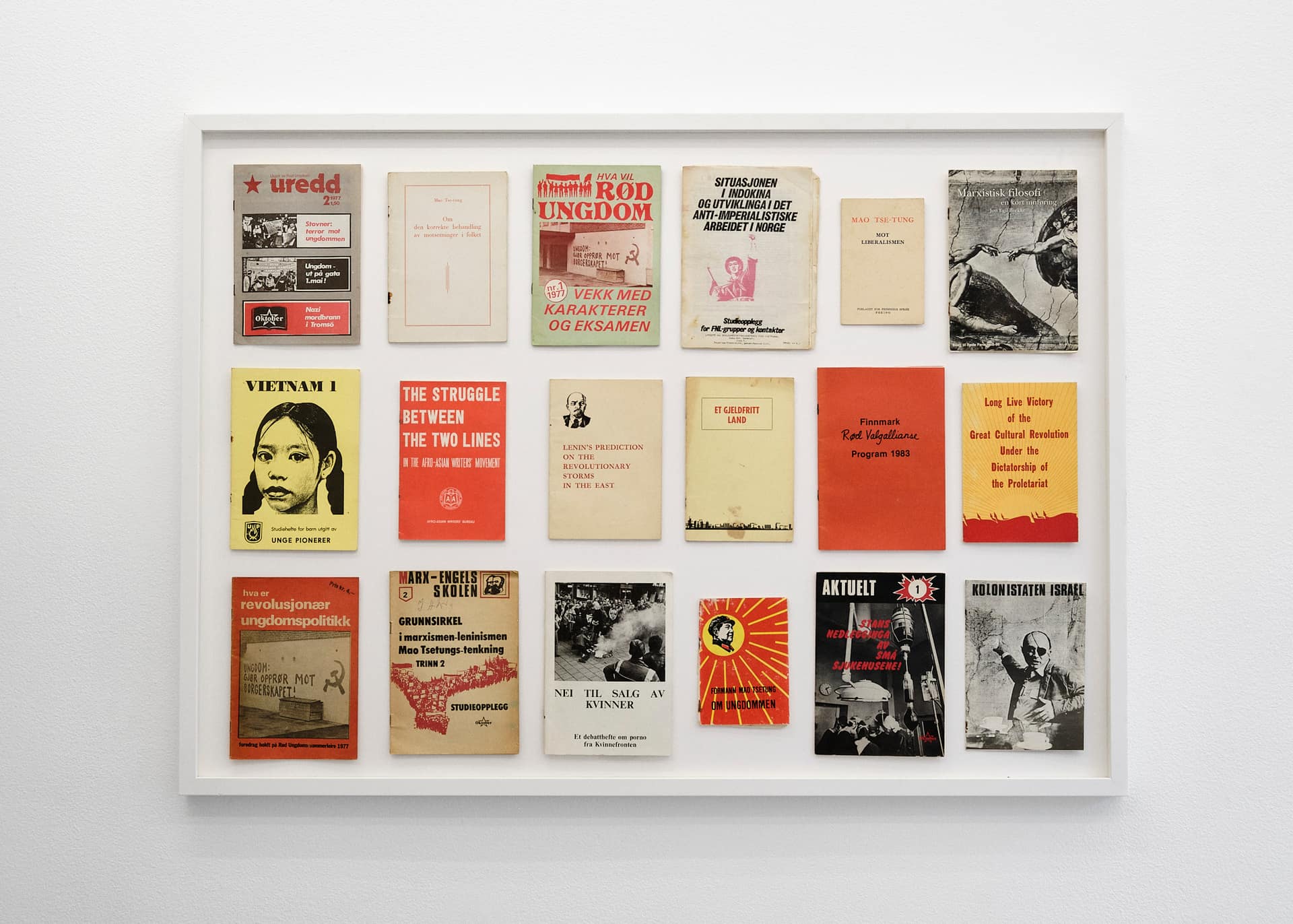
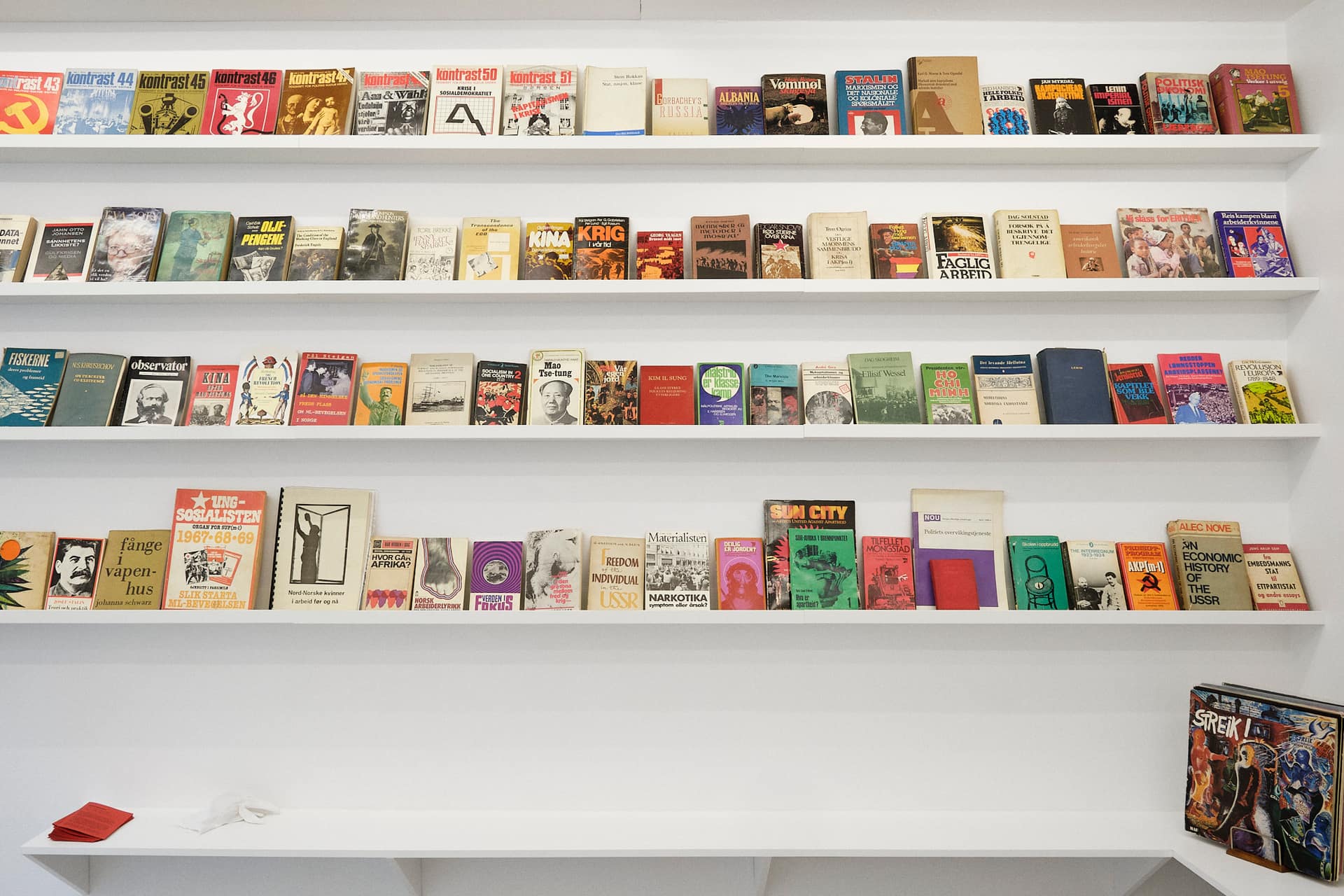
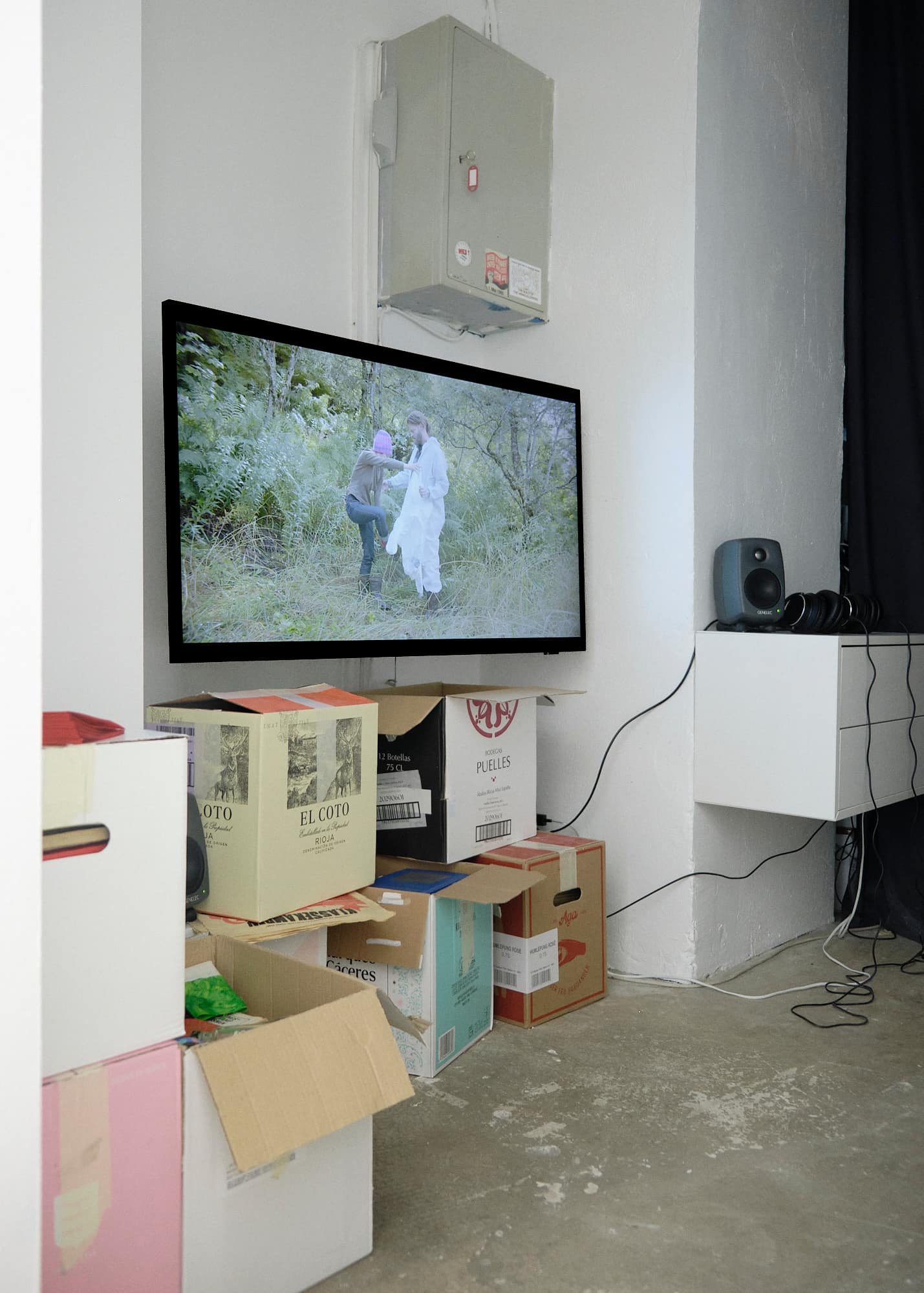
The exhibition, including the film, is based on a former Oktober book outlet found in Andvig’s family basement in Northern Norway, part of a network of underground, politically affiliated bookshops active in the 1970s and 80s. Books are still there in varying condition. Some are no longer readable; others can be handled and brought back into circulation. In the film, presented in six chapters, the artists return to the basement to recover what they can. Books, pamphlets and other materials are sorted and handled, sorted first objectively by degree of mold and disintegration, next by their contents, and the artists’ subjective valuation of them. While some are set aside, and most are taken out, the process continues alongside a conversation that moves between family histories, work, geography and memory, with occasional digressions and shared anecdotes.
The artists come from what might be called “book families”. In Andvig’s case, books were part of a political infrastructure, tied to organised distribution and collective discussion. In Laumann’s, they were part of a local economy, connected to retail, ownership and a small-town context (the Laumann bookshop was later sold to Norli). These differences carry through into how class is understood and how it can be spoken about, and shape the terms of the conversation that unfolds in the film.
Alongside the film, a wide selection of the books, posters and LPs from the disused Oktober book store in Svolvær has been brought to Oslo. The material spans subjects such as child rearing, education, geopolitics, women’s rights, fishing, consumption, psychology and nature – most but not all of these from a revolutionary perspective. Regardless of their orientation, class runs through them as a way of framing questions and organising knowledge. Read together, they point to a moment when class could serve as a more stable reference point across different areas of life, while clearly structuring a past, present and future.
Without stating it directly, the exhibition circles a question of class consciousness and its relative disappearance in the present. Class no longer present itself as a shared framework in the same way. It mostly appears through other forms of description, and is often difficult to isolate as a category on its own. The material in the exhibition suggests a different situation, where class could be used more directly as a way of making sense of social relations. The conversation between the artists takes place at a distance from that situation, moving through hesitation as much as assertion, and often returns to the question of how to speak about class without settling into a fixed position or a set of ready-made terms. Lars Laumann lives and works in Brønnøysund, Norway. He studied at the Norwegian State Academy in Oslo and the North Norwegian Art and Film School in Kabelvåg. His work is held in collections including Tate Modern, London; the National Museum, Oslo; KORO – Public Art Norway; and MOCAK, Kraków. He has presented solo exhibitions at institutions such as Kunsthalle Winterthur, Maureen Paley (London), Foxy Production (New York), Bunkier Sztuki (Kraków) and Kunsthall Oslo, and has participated in major group exhibitions including the 5th Berlin Biennial and the Liverpool Biennial.
Kjersti G. Andvig studied at the National Academy of Fine Art in Oslo, Northbrook College in Worthing, and the North Norwegian Art and Film School in Kabelvåg. Her work has been shown in solo and duo exhibitions at venues including Cabaret Voltaire (Zurich), Rogaland Kunstsenter (Stavanger), Grand Union (Birmingham) and Etablissement d’en face (Brussels). She has participated in group exhibitions such as Lofoten International Art Festival (LIAF), EVA International, Carnegie Art Award exhibitions, and shows at institutions including Astrup Fearnley Museet and the National Museum, Oslo.
|
| 2026 | 6 March – 4 April | Exhibition | Theodor Nymark | Diversione | Text by Nikolaj Schultz↗︎Text by Matteo Giovanelli↗︎Website↗︎ |
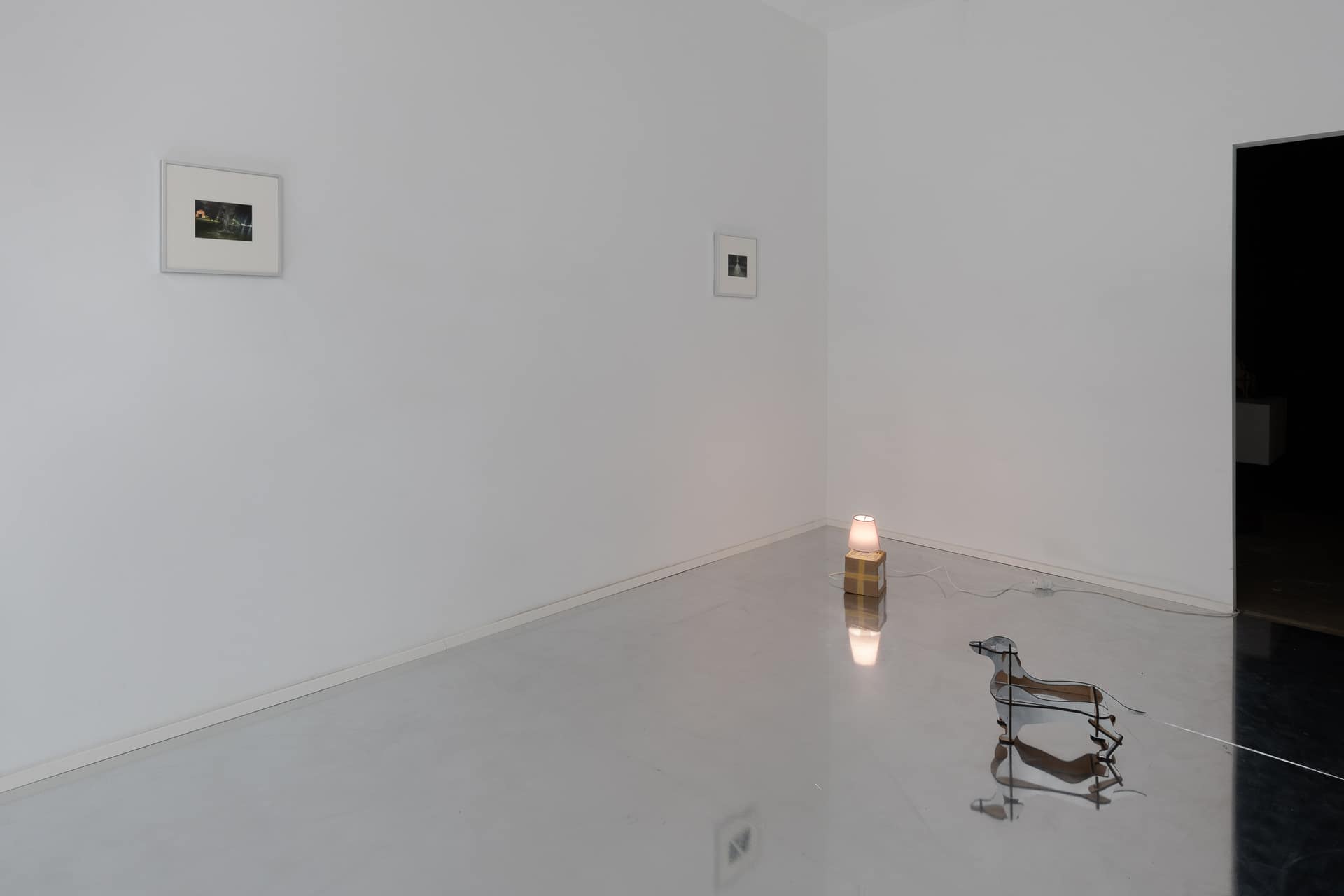
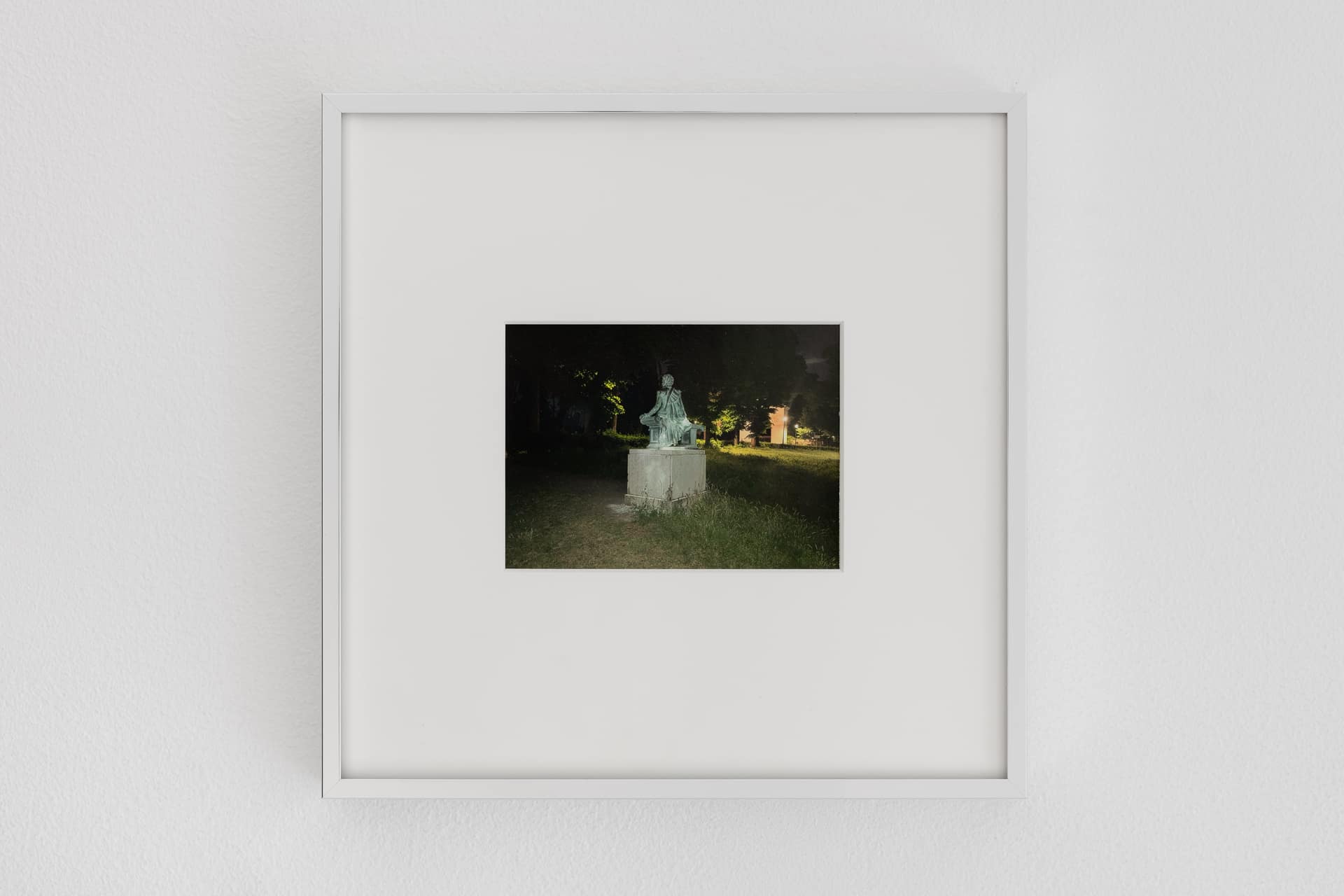
Theodor Nymark 6 March – 4 April 2026 “Of the vivid natural environment, today only a distant, fleeting memory remains — a melancholic semblance glimpsed within symbolic frames, like paintings or phone screens, or in physical ones, strolling through the domesticated nature of elegant city gardens, private or aristocratic.”¹
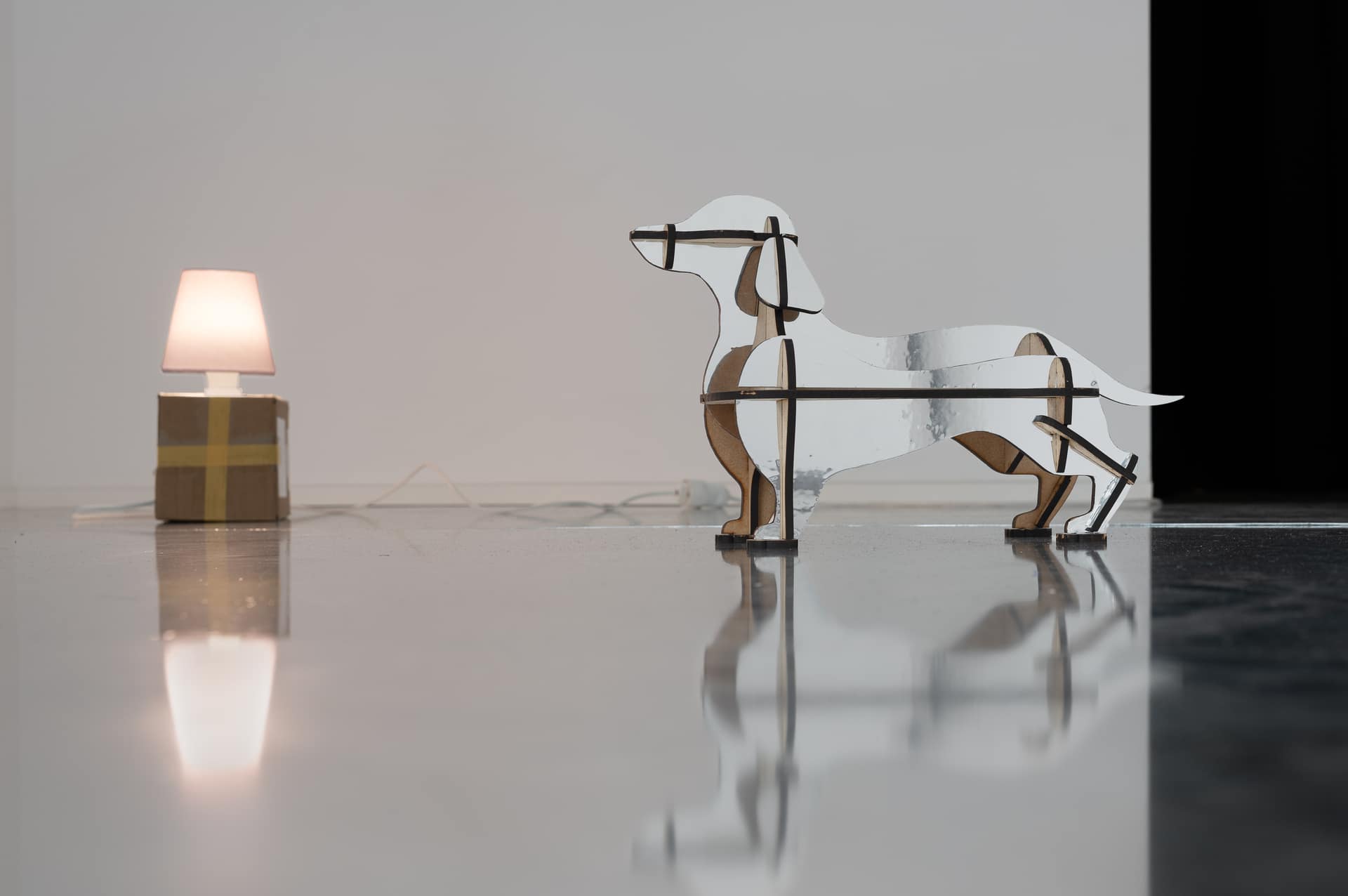
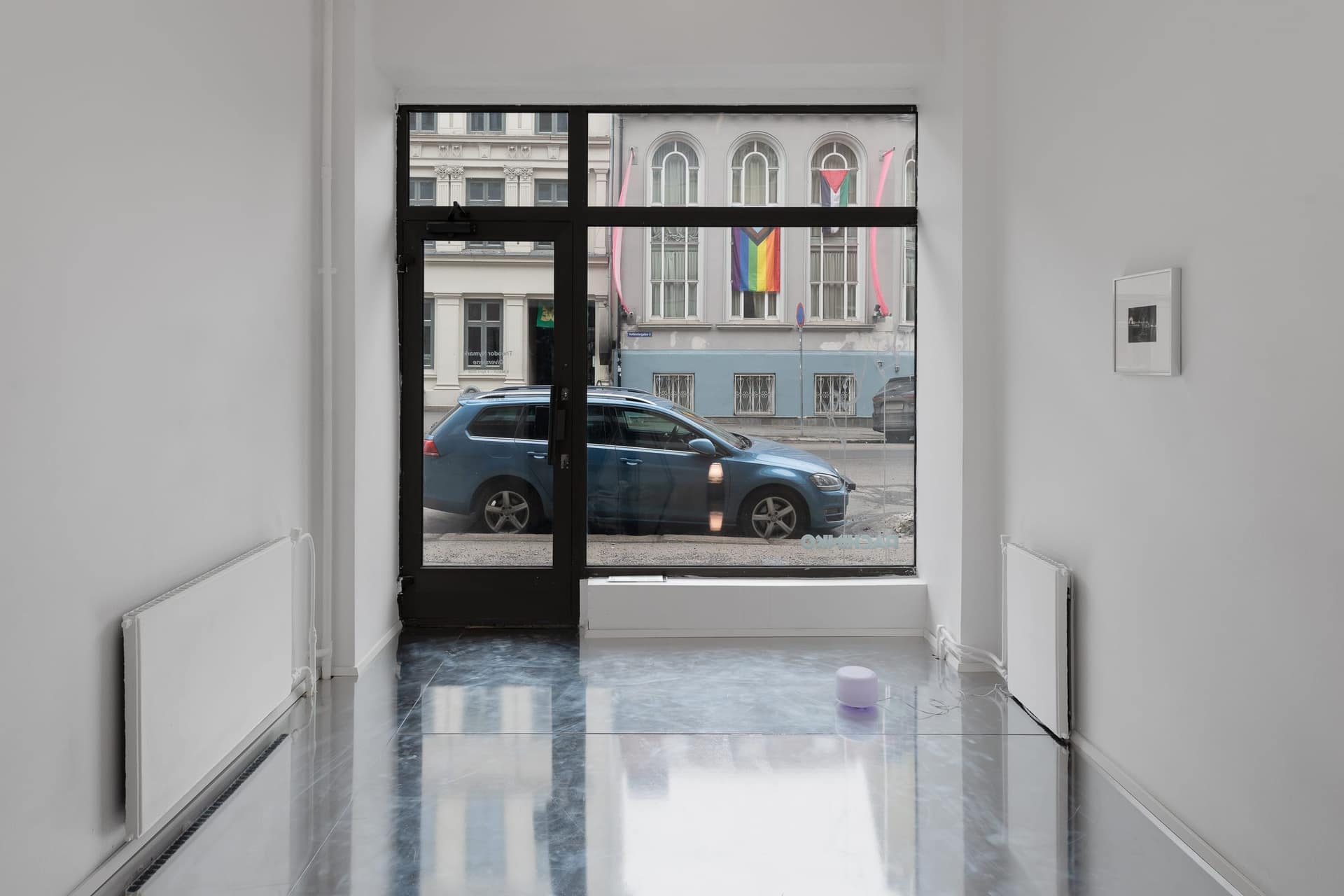
Diversione begun at a residency at the Danish Institute in Rome. Emerging from research into landscape painting, urban theory and the historical layering of cultivated space, the exhibition is about diversion as detour and displacement, somewhere between image and site, memory and intervention.
The exhibition is accompanied by texts by Nikolaj Schultz, Assistant Professor of Social Theory and Ecological Thought at Aarhus School of Architecture, and writer Matteo Giovanelli.
¹ Excerpt from Matteo Giovanelli’s text for the exhibition. Theodor Nymark is an artist and curator. In his practice, he systematically examines the metaphorical and physical conceptions of the environment, engaging with it by exploring the role of spirituality in a post-industrial world. Through a narrative and research-based approach, Nymark addresses the landscape by investigating themes such as art history, national identity, land politics, collective memory, and local architecture, while exploring their interconnections and impact on ecological thinking and governance.
|
 Skip to content